Learn about the fascinating world of the minibeasts of Planet Earth and their lives.
Mexican Red Knee Tarantula
/0 Comments/in Minibeasts/by Nick
The Mexican Red Knee Tarantula:
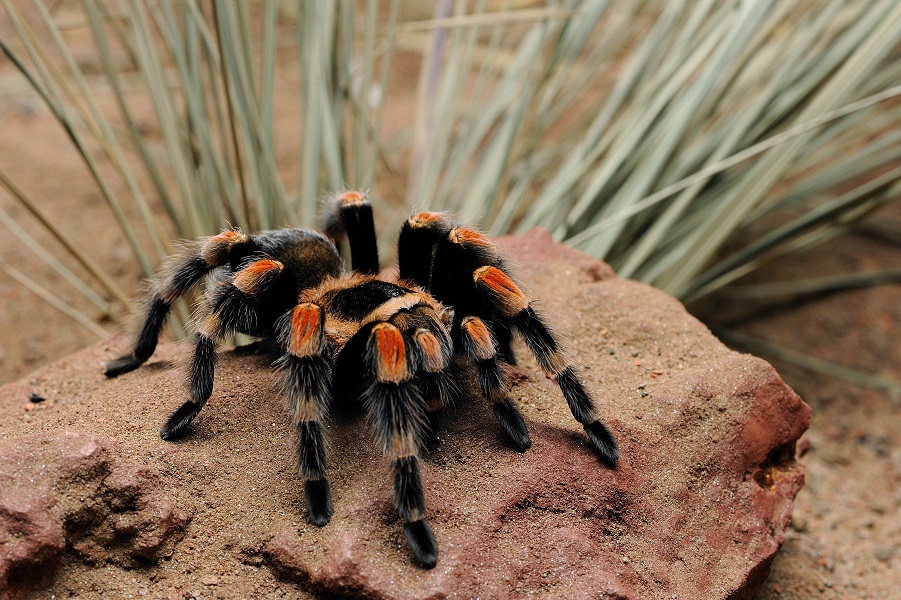
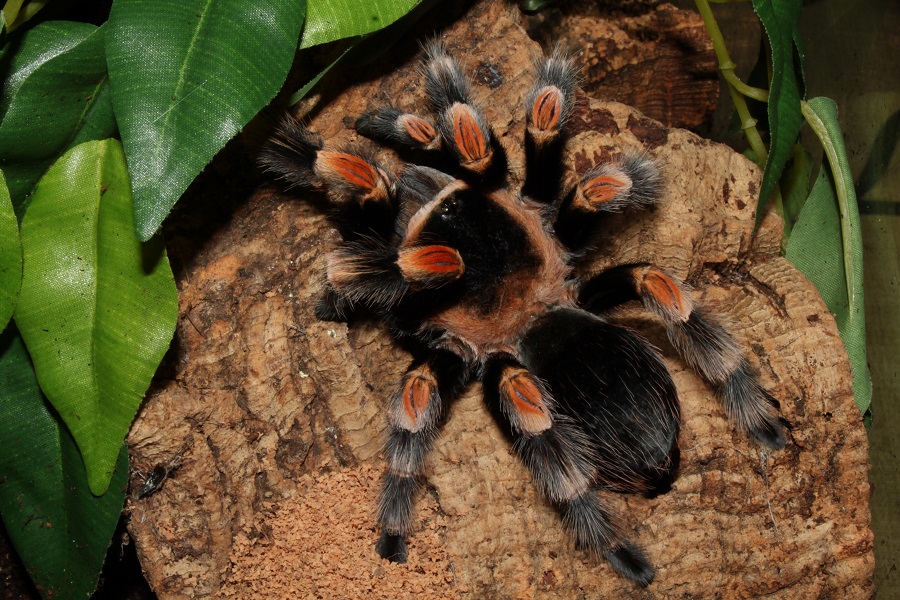
In the world of tarantula keeping, the Mexican Red Knee Tarantula (Brachypelma hamorii) is iconically known for its striking appearance and generally calm behaviour. Though, it is fair to say, as with all tarantulas, their temperaments can be very varied; we have encountered docile palm pet red knees, as well as highly defensive, too.
Habitat and Range:
The Mexican Red Knee Tarantula is indigenous to the arid and semi-arid regions of western Mexico, primarily found along the Pacific coast. Its natural habitat spans from the states of Colima and Michoacán to the southern reaches of Baja California. These areas are characterized by scrublands, deserts, and thorn forests, where the tarantula has adapted to the challenging environmental conditions.
Appearance
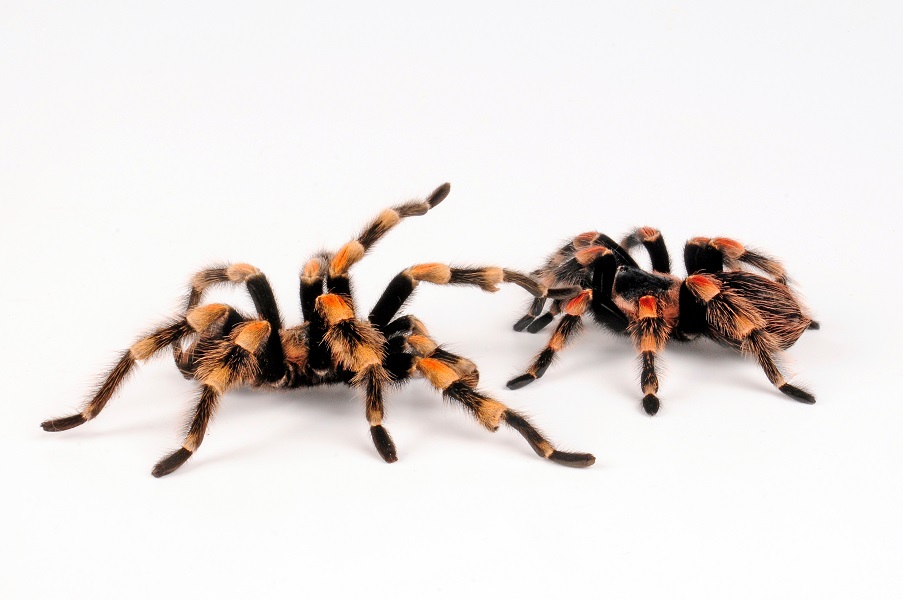
One of the most distinguishing features of the Mexican Red Knee Tarantula is its stunning appearance. It boasts a black body adorned with vibrant red-orange bands on its knees, giving it its iconic name. The overall effect is a striking contrast that makes this species easily recognizable among tarantula enthusiasts. Adult females (seen on the right) are typically larger, with a leg span of 5 to 6 inches, while males (seen on the left) are smaller and more slender.
Behaviour
Despite its striking appearance, the Mexican Red Knee Tarantula is generally docile and slow-moving, making it a popular choice for novice tarantula keepers. These tarantulas are primarily terrestrial, spending most of their time on the ground. They are solitary creatures and are known for their burrowing behavior, creating intricate underground dens to call home.
The Art of Husbandry
Enclosure
Creating a suitable habitat for your Mexican Red Knee Tarantula is crucial for its well-being. A glass or plastic terrarium is an ideal enclosure, as it provides visibility and maintains humidity. A 10 to 20-gallon tank is usually sufficient, although larger enclosures can be beneficial for more active tarantulas. Ensure adequate ventilation while minimizing any potential escape routes.
Substrate
A substrate that mimics their natural environment is essential. A combination of coconut coir, peat moss, and vermiculite is often used. This mixture retains moisture and provides a burrowing medium for your tarantula. Depth is crucial, as these tarantulas enjoy digging, so provide at least several inches of substrate.
Temperature and Humidity
Maintaining the right environmental conditions is crucial. Mexican Red Knee Tarantulas thrive at temperatures between 75-85°F (24-29°C) during the day, with a slight drop at night. Humidity levels should be kept between 65-75%, achieved through periodic misting and a water dish. A hygrometer and thermometer are essential tools to monitor these conditions.
Feeding
Feeding your tarantula is relatively simple. They are carnivorous and typically consume insects such as crickets, roaches, and mealworms. Offer appropriately-sized prey every 1-2 weeks, adjusting the size to match your tarantula’s abdomen. Remove uneaten prey to prevent stress or injury. This is particularly important if you red knee is entering its moult phase. As with all pet tarantulas, never offer live food at this stage. You can find more information on this in the introduction to tarantula keeping post.
Handling
While Mexican Red Knee Tarantulas are generally docile, handling should be limited and done with care. They have urticating hairs on their abdomen that can be irritating to the skin and eyes. Frequent handling can also stress them, so it’s best to observe their beauty from outside the enclosure.
Lifespan
With proper care, Mexican Red Knee Tarantulas can live for 20 – 30 years or more. Males typically have a shorter lifespan of 5-7 years, while females can live considerably longer.
Conclusion
The Mexican Red Knee Tarantula is a mesmerizing arachnid species that provides both beauty and intrigue to those who choose to care for them. With its captivating appearance and manageable husbandry requirements, it’s no wonder these tarantulas have become a favorite among enthusiasts. As with any pet, responsible ownership is essential, and those who venture into the world of tarantula keeping are rewarded with a glimpse into the mysteries of the arachnid kingdom. So, whether you’re an experienced tarantula keeper or a curious beginner, the Mexican Red Knee Tarantula awaits, ready to share its unique charm and captivating presence.
An Introduction to Insects
/in Minibeasts/by NickIn Development
An introduction to insects
Insects are often thought of as pests – creatures to be squashed and avoided. But did you know that there are almost one million different species of insects? That’s a lot of variety! Insects play an important role in our ecosystem, and many of them are actually quite fascinating. In this blog post, we’ll explore some fun facts about insects, their place in the world, and why we should think twice before swatting that next fly.
What are insects?
Insects are a type of arthropod that have six legs and three main body parts: the head, thorax, and abdomen. They are the largest group of animals on Earth, with over a million different species! Insects can be found in nearly every habitat on the planet, from the coldest tundra to the hottest deserts. Most insects are harmless to humans, but some can carry diseases or be harmful pests.
The different types of insects
There are many different types of insects, and they can be classified in a number of ways. The most common way of classifying insects is by their wing type. Insects can be either winged or wingless, and this is the most obvious difference between them.
Winged insects have two pairs of wings, which are covered in a thin layer of scales. These wings allow them to fly, and they are usually much larger than the body of the insect. Wingless insects do not have wings, and they cannot fly. They may have other adaptations that allow them to jump or crawl around, but they cannot take to the air like their winged cousins.
Insects can also be classified by their mouthparts. Some insects have chewing mouthparts, which allows them to bite and chew on food. Others have sucking mouthparts, which they use to suck up nectar from flowers or other sources. Still others have piercing mouthparts, which they use to puncture prey and suck out their bodily fluids. Each type of mouthpart is adapted for a specific way of feeding, and this can help scientists to identify what an insect eats just by looking at its mouthparts.
Finally, insects can also be classified by their habitat. Some insects live on land, while others live in water. There are even some that live in trees or underground! By understanding where an insect lives, we can learn a lot about how it has adapted to its environment and what kind of
The benefits of having insects around
Insects are a vital part of any ecosystem and provide many benefits to both the environment and to humans. Here are just a few of the reasons why you should encourage insects in your garden or backyard:
1. Insects are essential for pollination. Without them, many plants would not be able to reproduce and would eventually die out.
2. Insects provide food for other animals. Many birds, amphibians, reptiles, and even some mammals rely on insects as a major part of their diet.
3. Insects help decompose dead organic matter. This process recycles important nutrients back into the soil which helps keep ecosystems healthy.
4. Insects can be used as natural pest control. Many species of insects feed on other pests that damage crops or carry diseases. Encouraging these beneficial insects can help reduce the need for harmful pesticides.
5. Insects are a source of income for many people around the world. Beekeeping is a popular hobby that produces honey, while others collect insects for sale as pets or for use in traditional medicine.
Introduction to Stick Insects
/0 Comments/in Minibeasts/by Nick


of Stick Insects


three thousand species


beautiful...


What are Stick Insects?
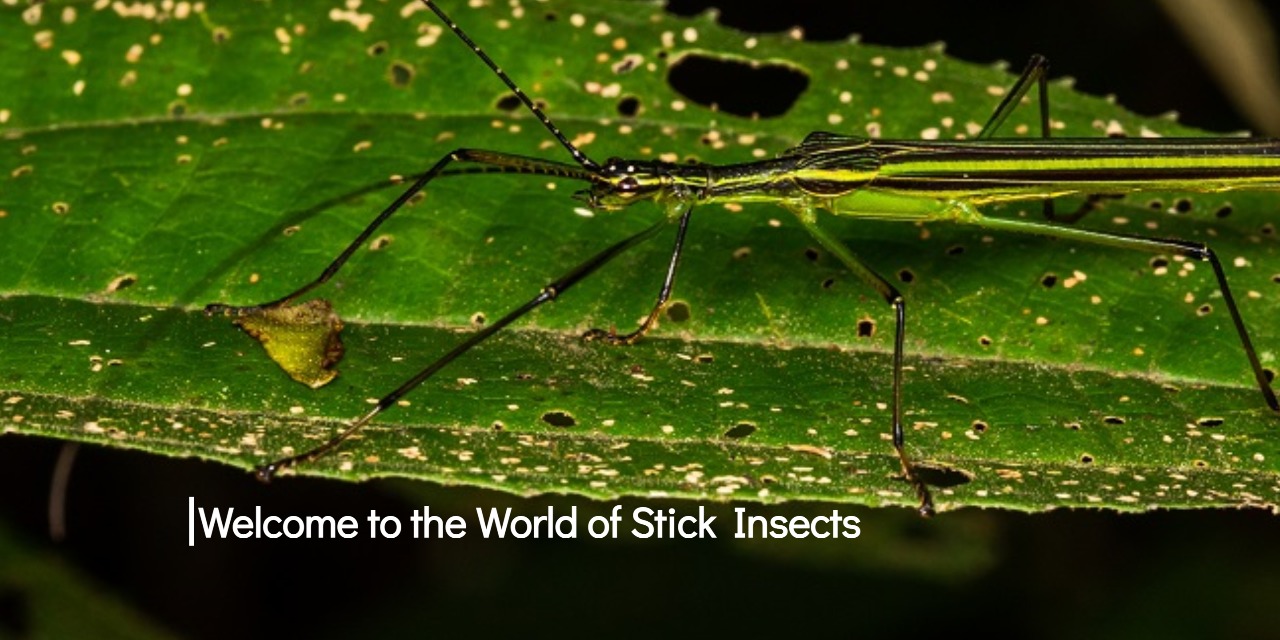
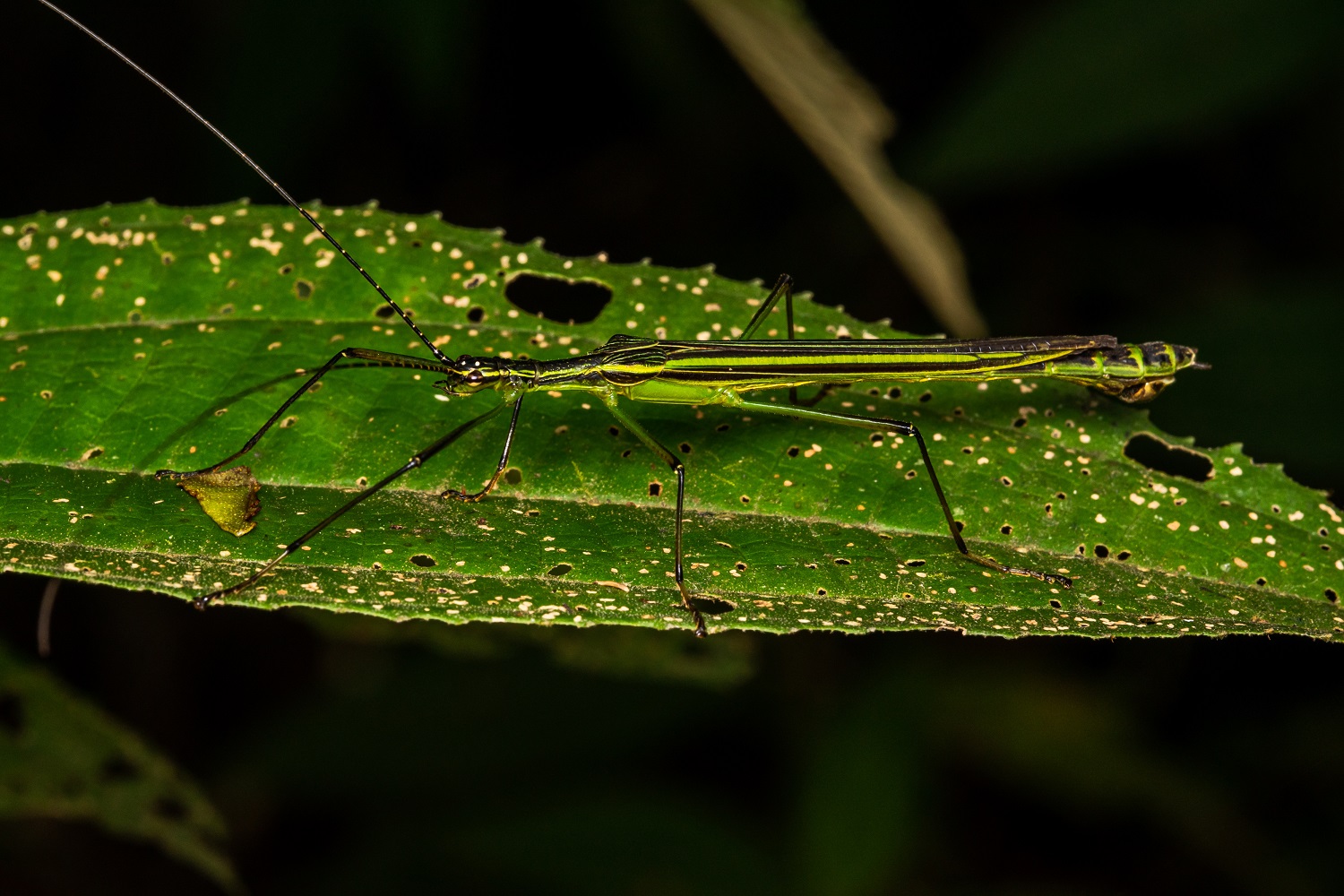
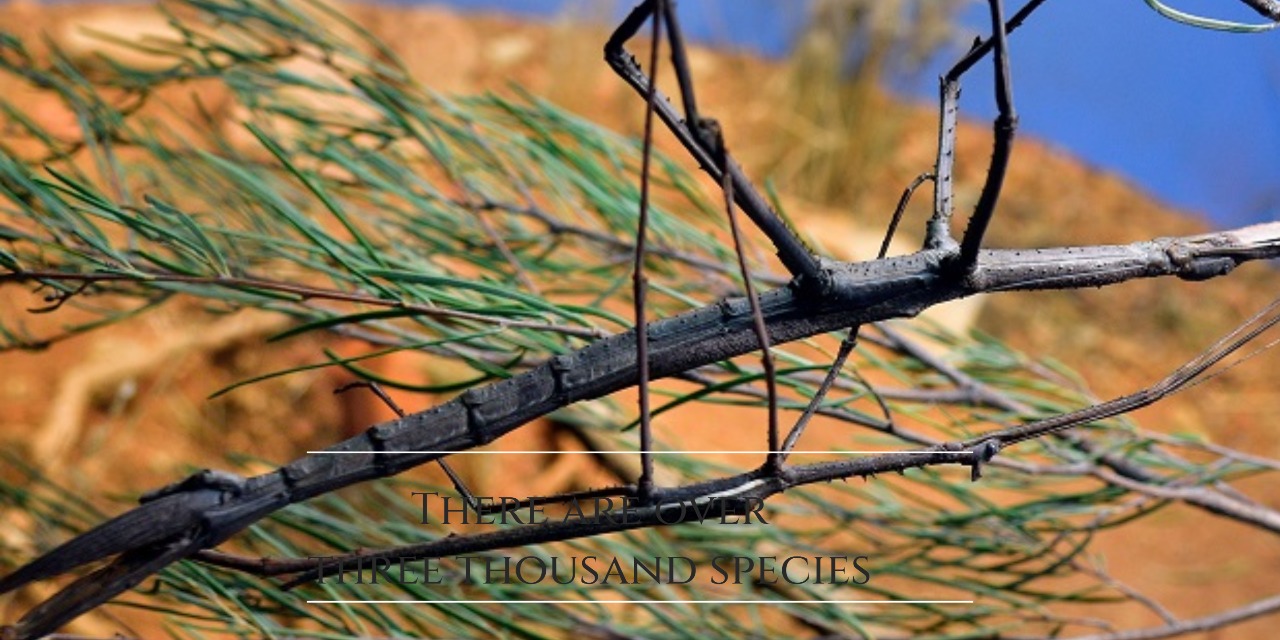
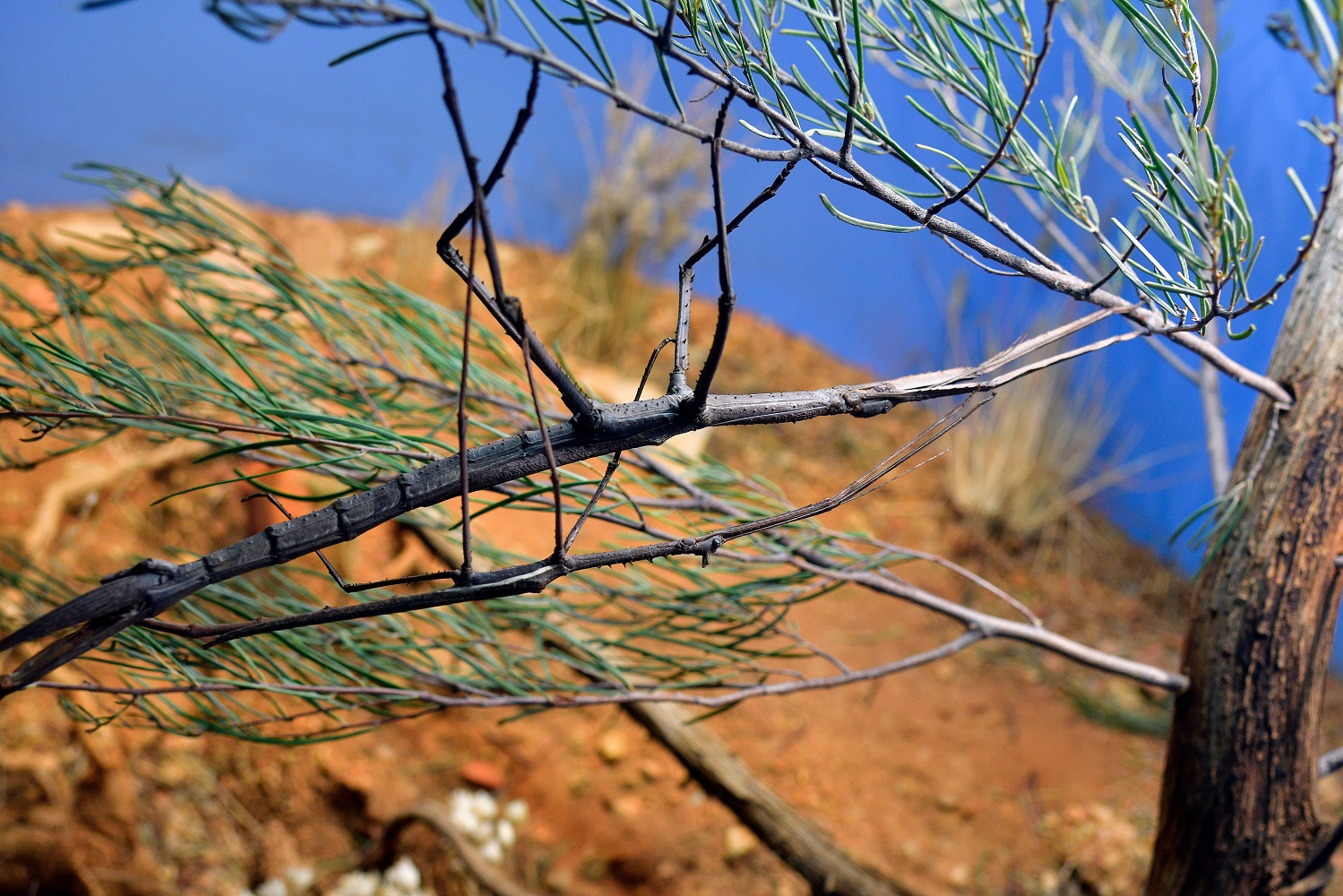
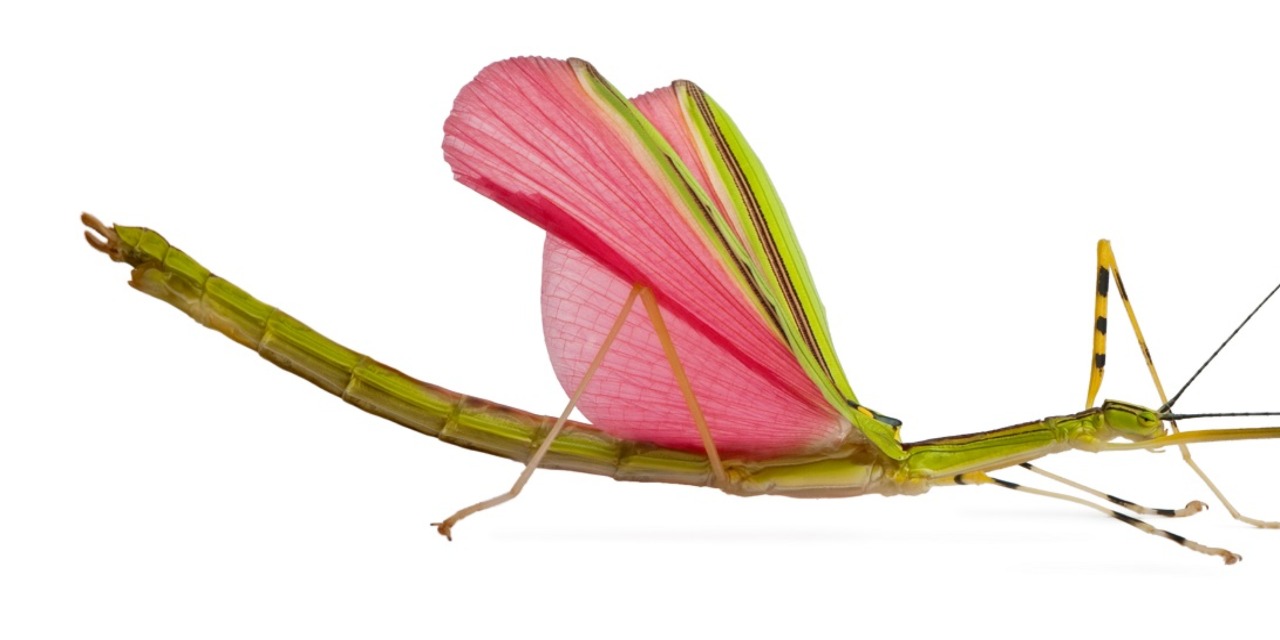
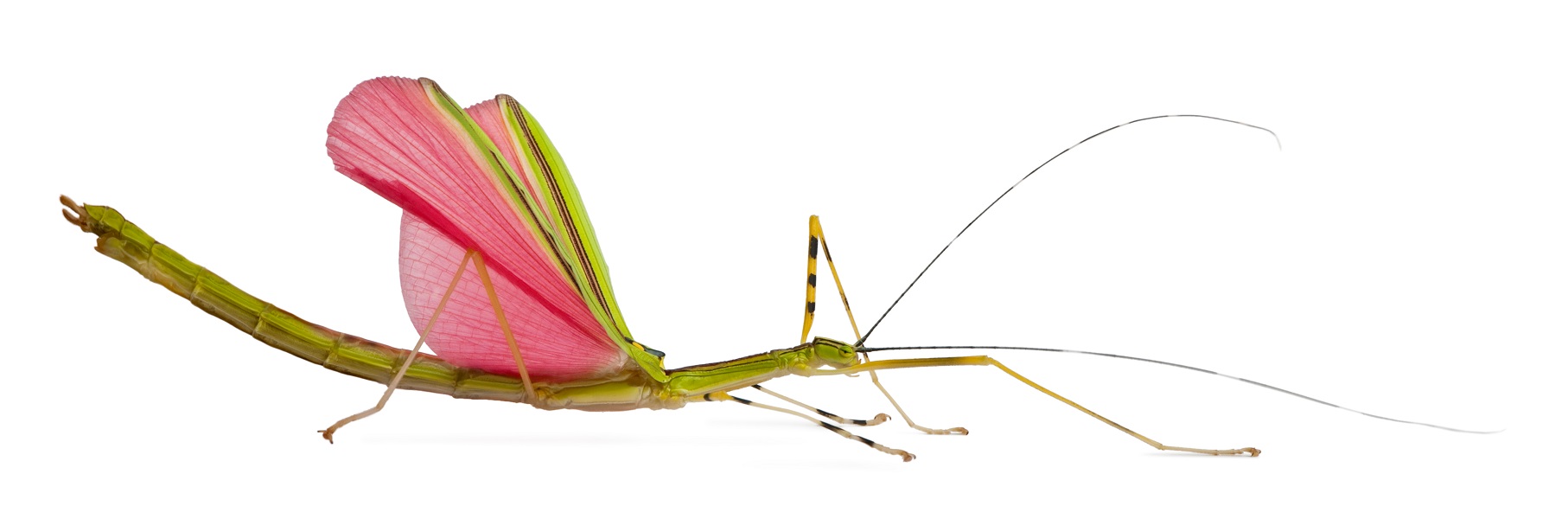
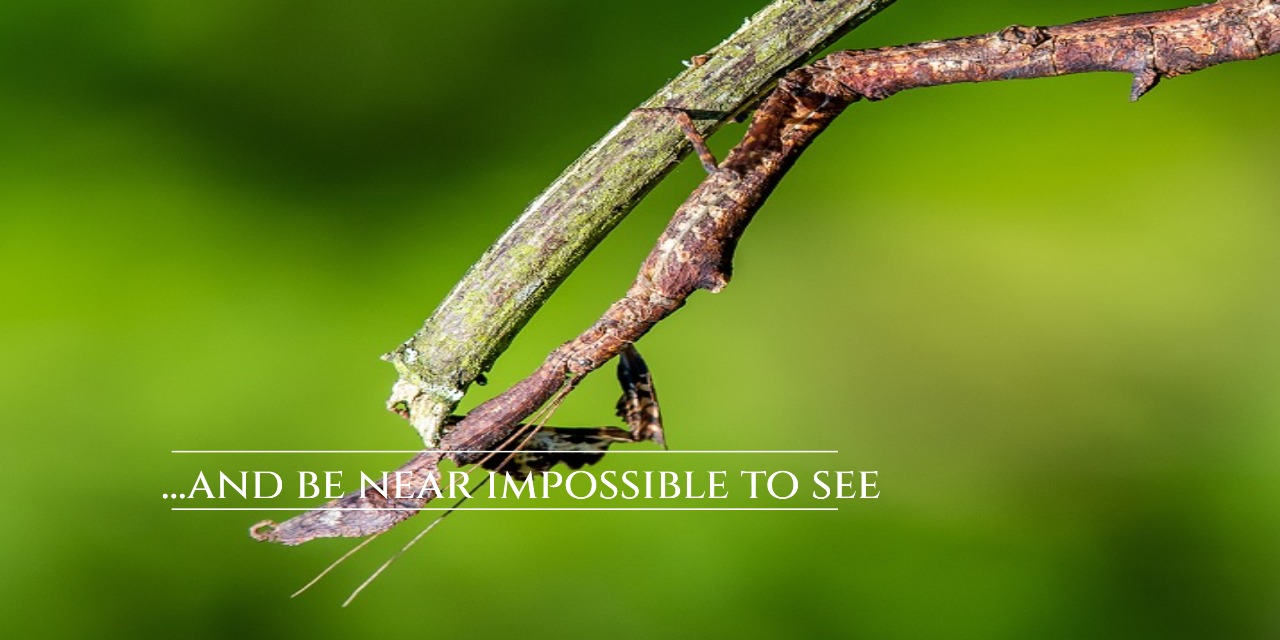
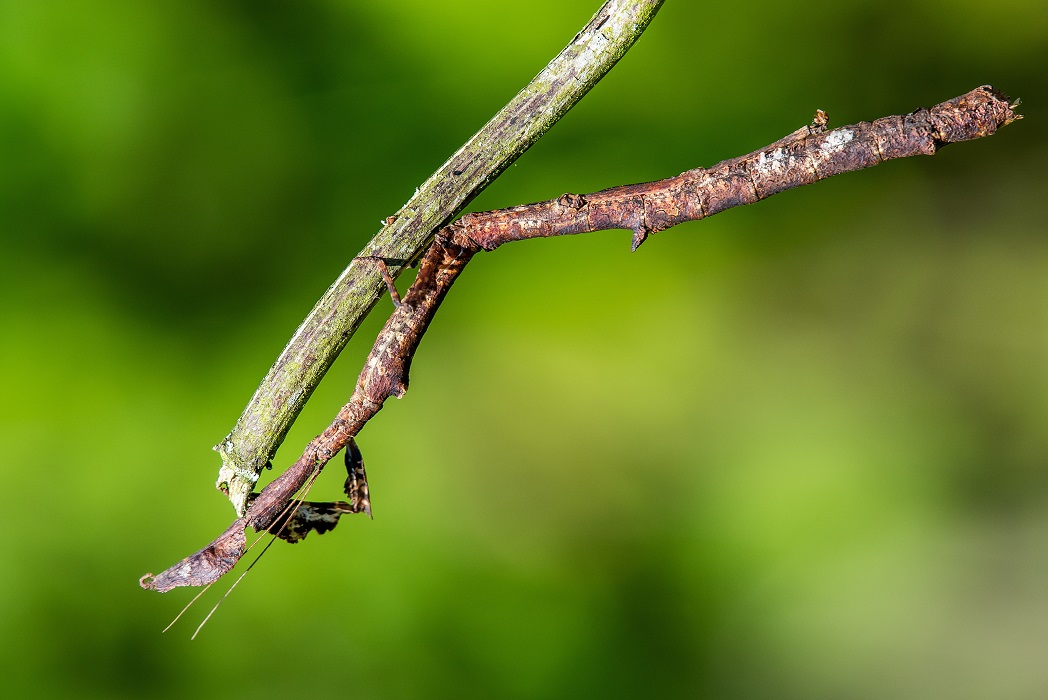
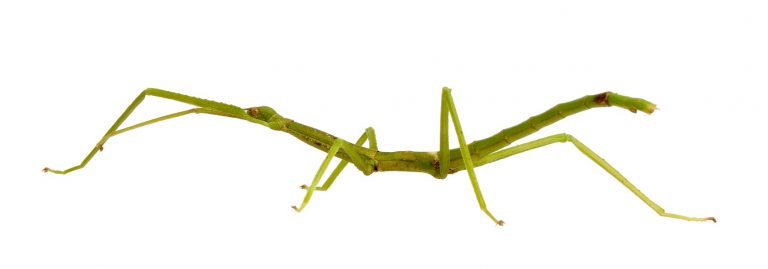
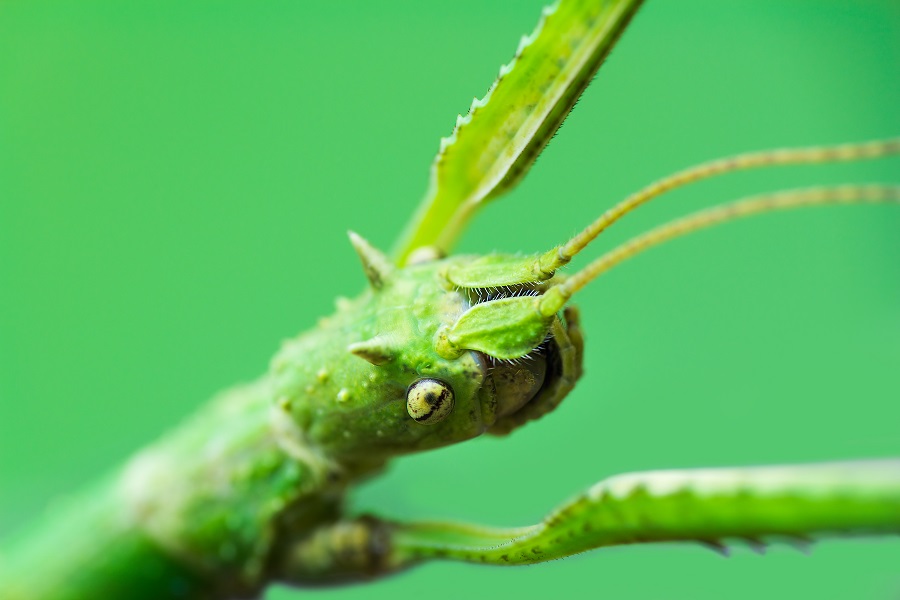
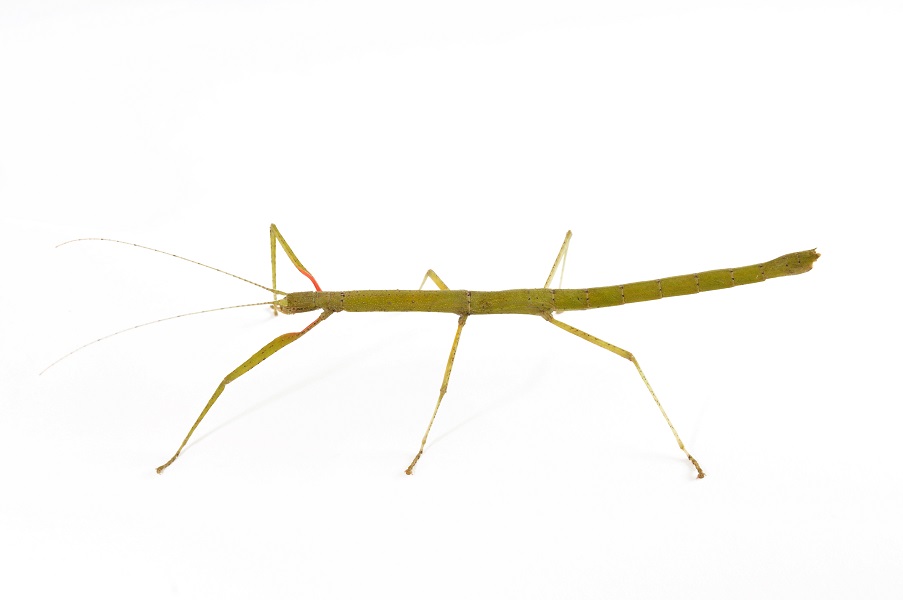
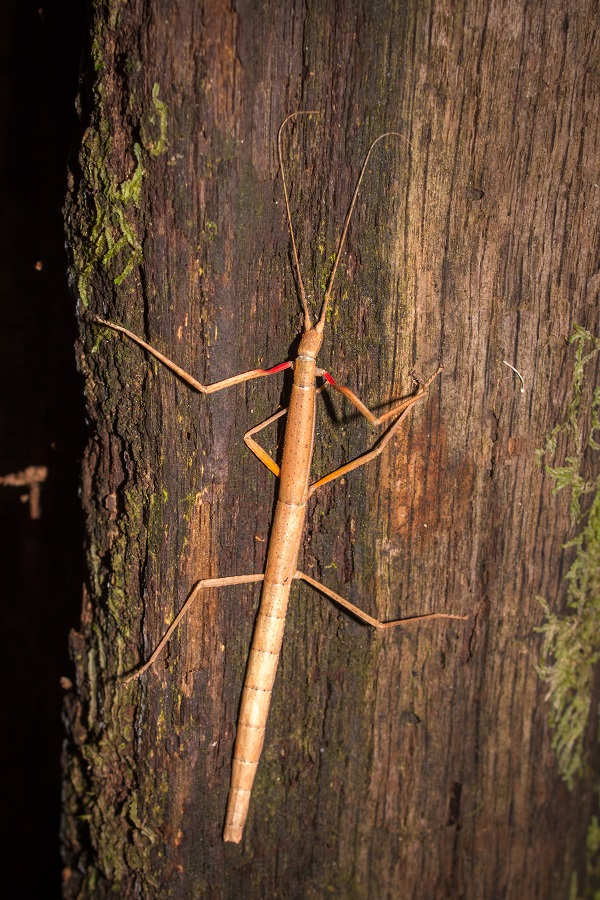
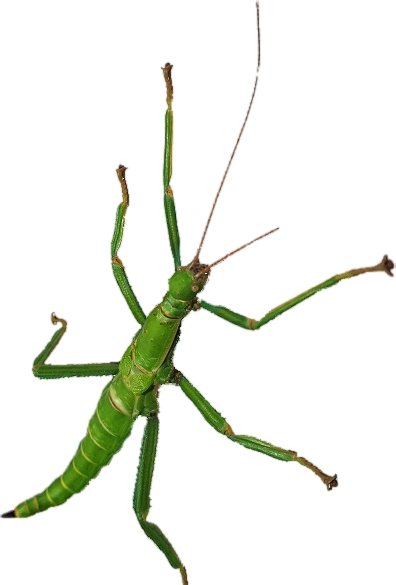
There are more than 3,000 species of stick insect found all over the world. They get their name from their long, thin bodies that look like sticks. Most species of stick insect are green or brown, which helps them camouflage in their habitats and avoid detection from predators. This is how they got their family name Phasmida, from the old Greek for phantom – Phasma, because they seem to disappear in front of your eyes like a phantom.
What do stick insects look like?
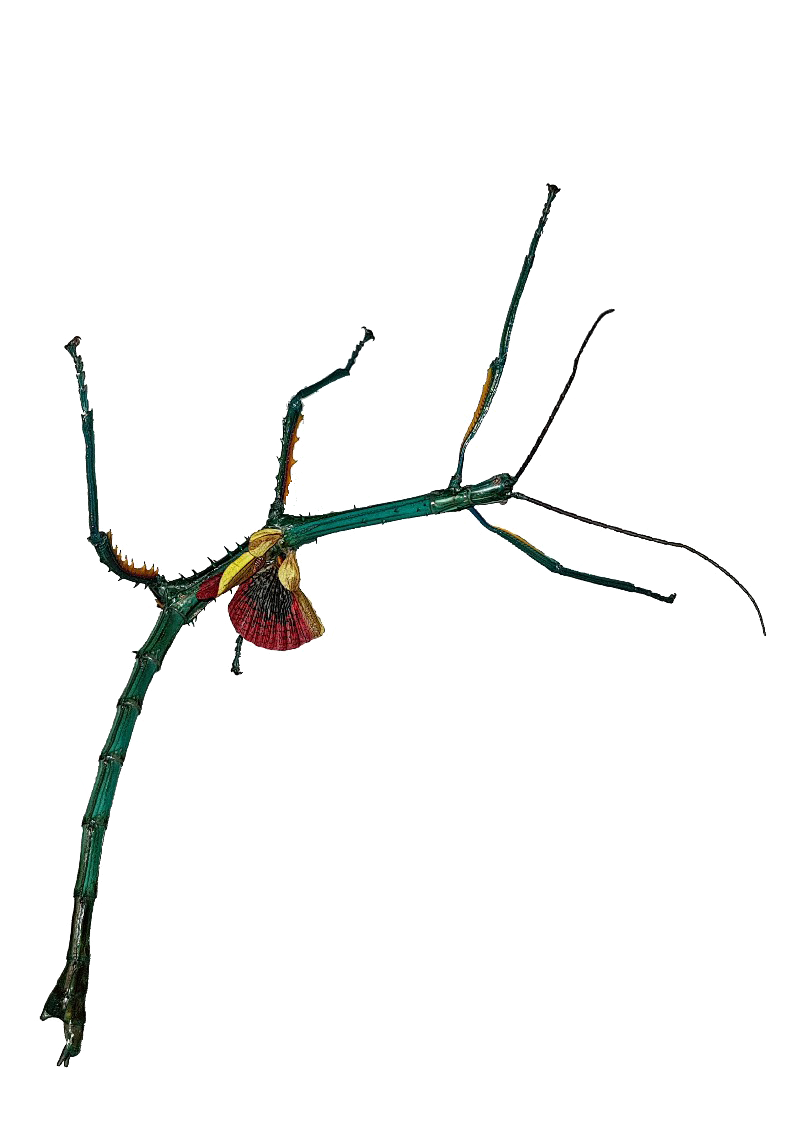
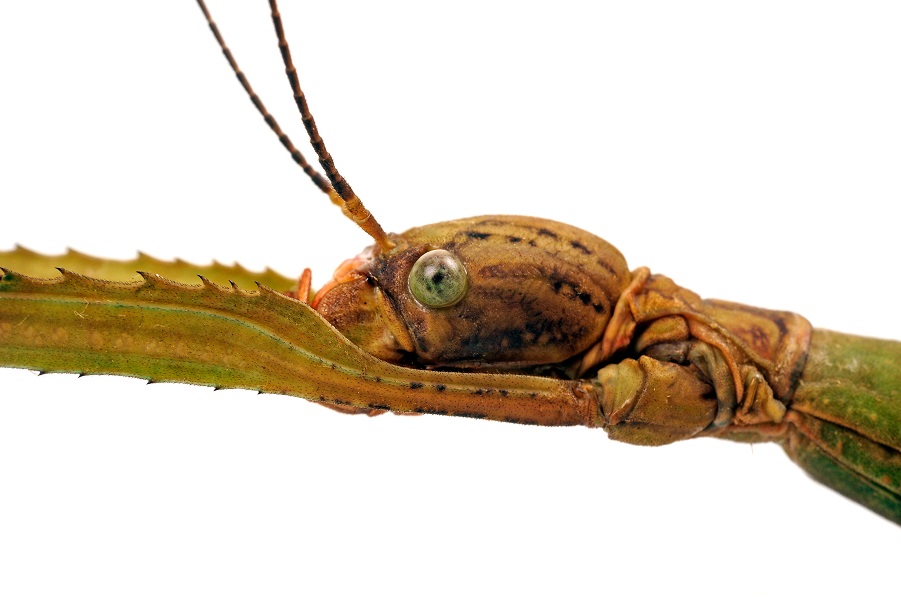
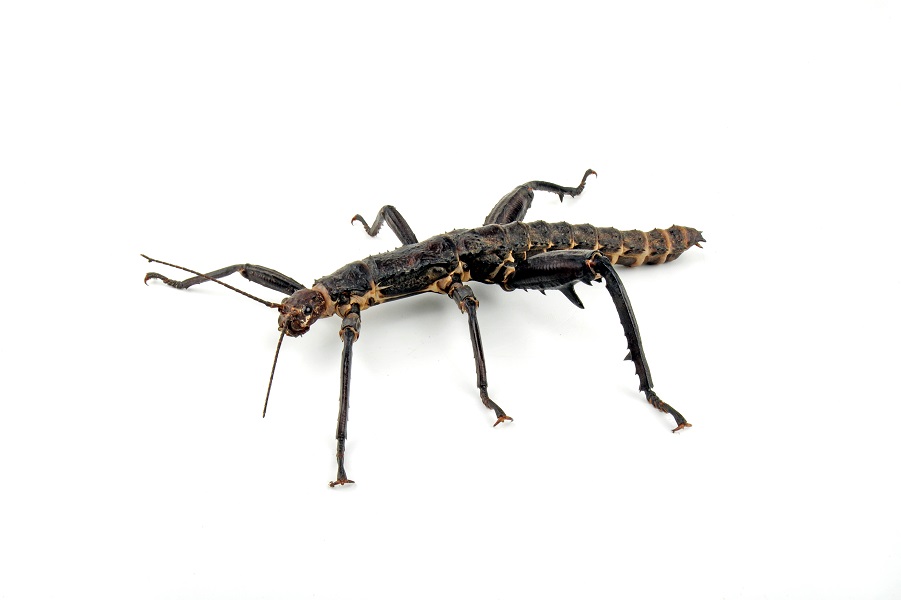
Stick insects are incredibly varied in shape size and colour. They can be long and thin, with cylindrical bodies, leafy, spikey, over half a metre long and sometimes potentially dangerous.
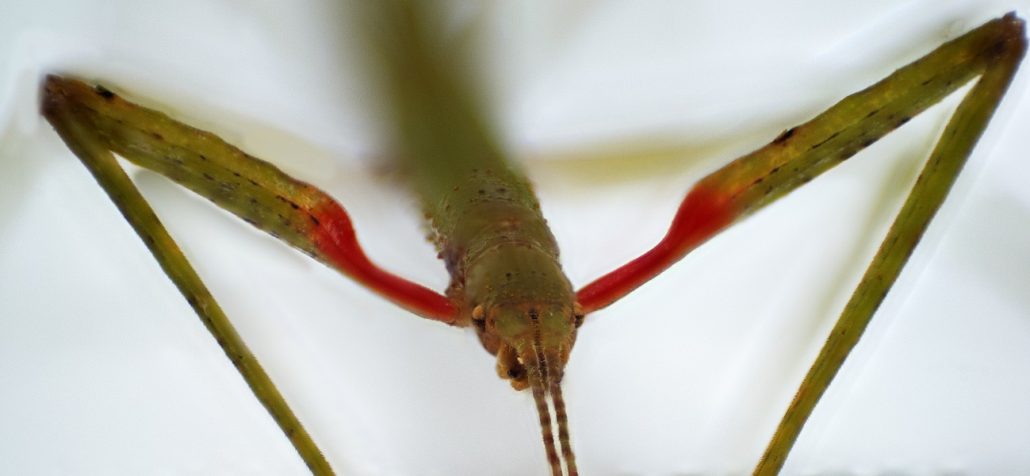
As with all insects, they have six legs, two antennae, and two compound eyes. Some stick insects have wings as well.
Where and when can you find them?
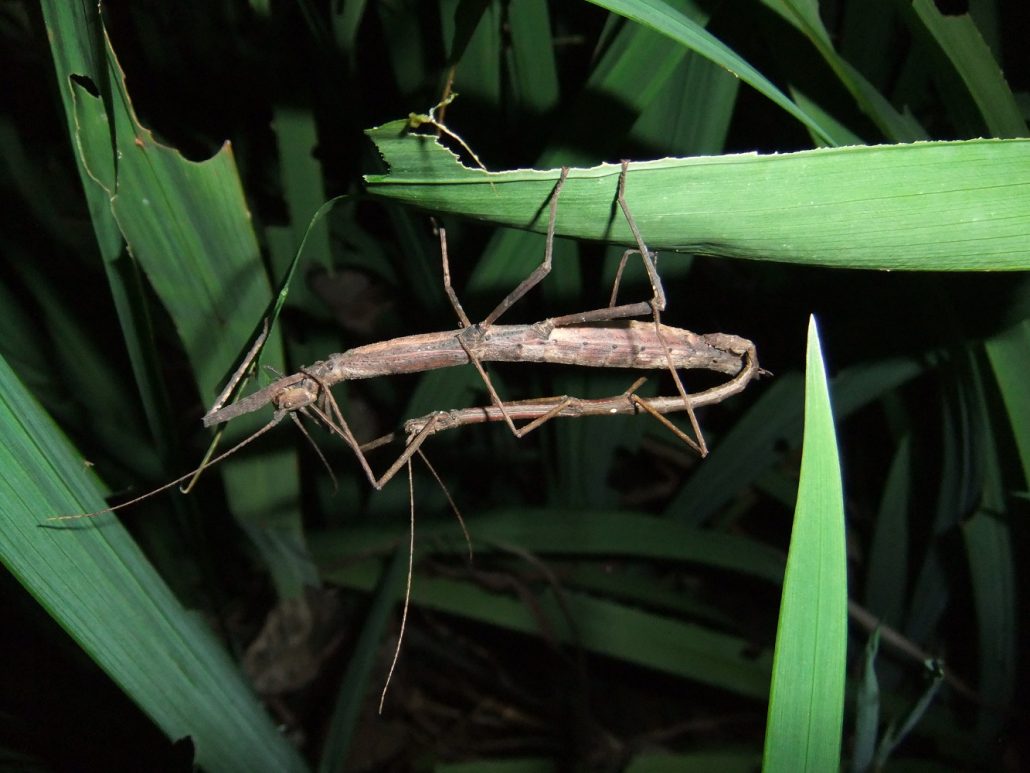
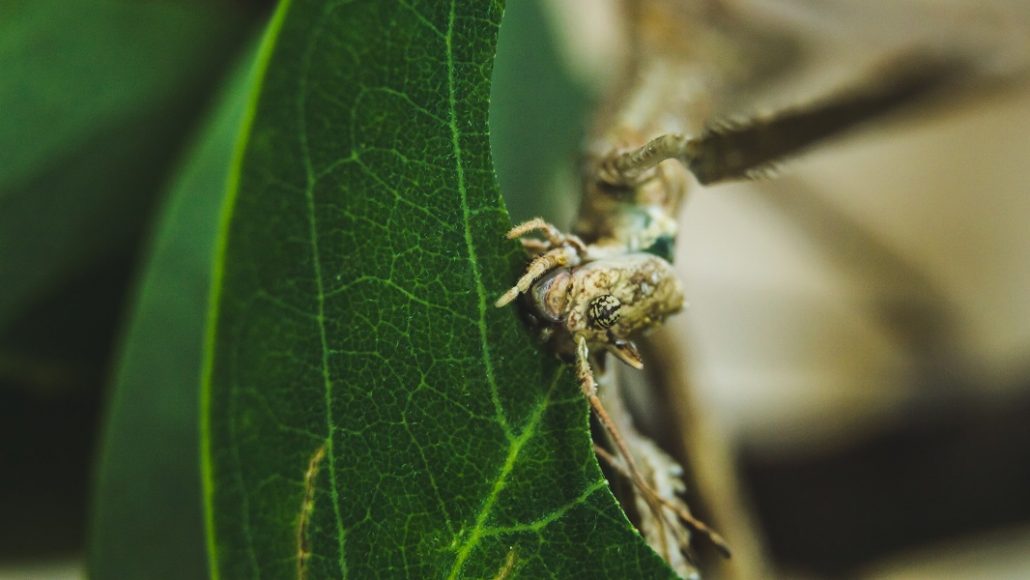
Stick insects are usually nocturnal, meaning they are most active at night. During the day, they rest on the branches and leaves of plants, where they blend in with their surroundings. When disturbed, some stick insects can drop off their perches and fall to the ground, where they play dead until the predator goes away.
As their name suggests, stick insects spend the vast majority of their time up in trees. In tropical regions, they can be found in both primary and secondary forests, as well as in bamboo groves and on bushes. They are also common in parks and gardens in villages, towns and cities; there are even a few species that have made their home in England!
These ones however are only found along the south coast from Cornwall to Hampshire and the Isles of Scilly.
What do stick insects eat?
Stick insects are herbivores, meaning that they only eat plants. Some of the more common plants that stick insects eat include: bramble, roses, ivy, and privet. However, there are a wide variety of plants that stick insects will consume depending on the species. Some species will eat several types of plant, some will only eat one – which can sometimes be hard to get hold of which can make them very tricky to keep.
Stick insects are able to extract all the nutrients they need from plants, and in some specially adapted species, such as the Anisomorpha phasmids, all the moisture they need – sometimes, too much moisture can kill these and they should not be sprayed.
While stick insects are strict vegetarians, there are a few occasions where the larger species accidentally feed on small invertebrates that accidentally get in the way. Sometimes they can even eat their own feet and antennae – so watch out for overcrowding!
Are there any dangerous stick insects?
Yes and no.
The most dangerous species tend to have very powerful chemical defences or very big sharp spines. There are no known life-threatening species.
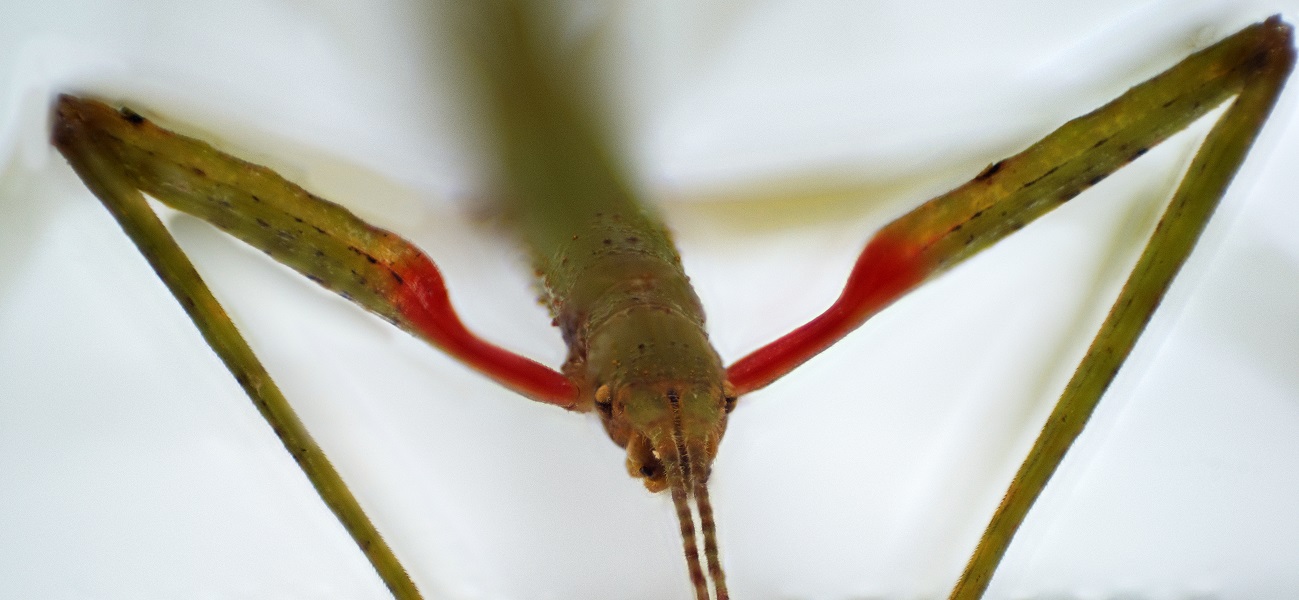
Some have big sharp spines on their legs that can puncture skin. Some have very big thick muscly hind legs with a long sharp hooked spur, that can be driven into your finger, down to the bone and give you a painful hole pumping out blood to teach you the error of your ways!
Can I keep stick insects as pets?
Are they easy to look after?
There are a few key things to remember when keeping stick insects as pets.
Firstly, they may need a very spacious tank or cage as depending on species, they can grow up to 12 inches long.
Secondly, they are great climbers so make sure the enclosure has plenty of plants or branches for them to climb on.
Lastly, some need a humid environment, so mist the enclosure regularly with water. Some may even need an all-glass enclosure if they are from the tropical rainforest.
More detailed articles and species specific care articles coming soon as part of the forthcoming Silver Membership Level
Wasps
/0 Comments/in Minibeasts/by Nick


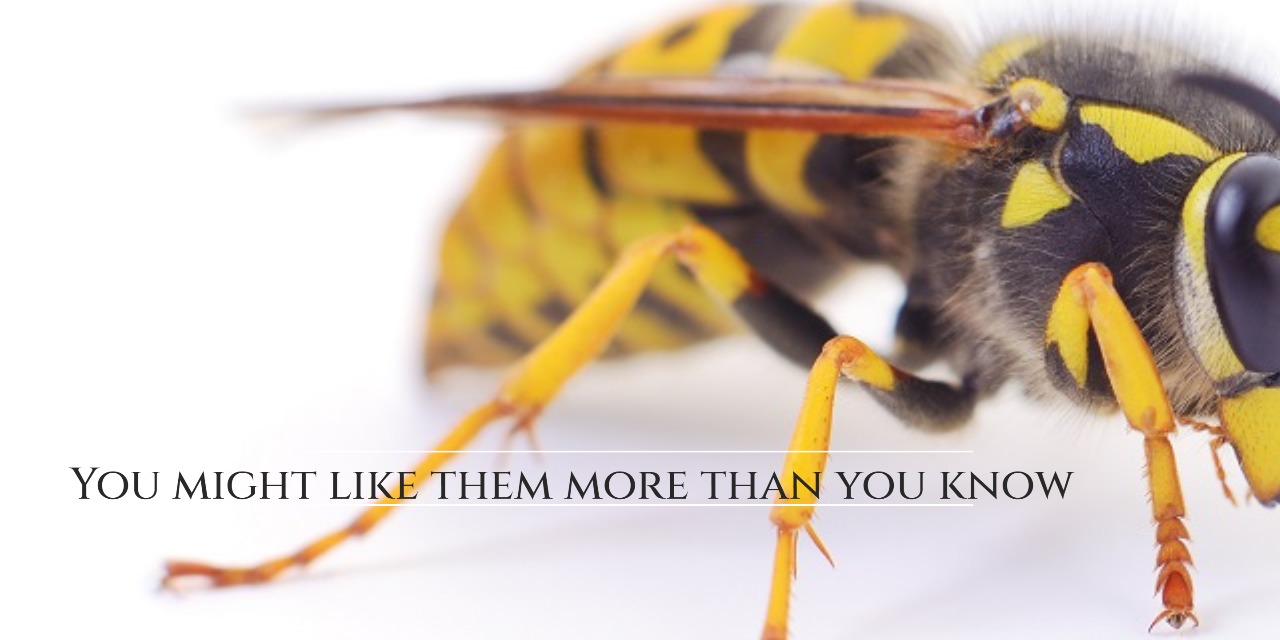
more than you know


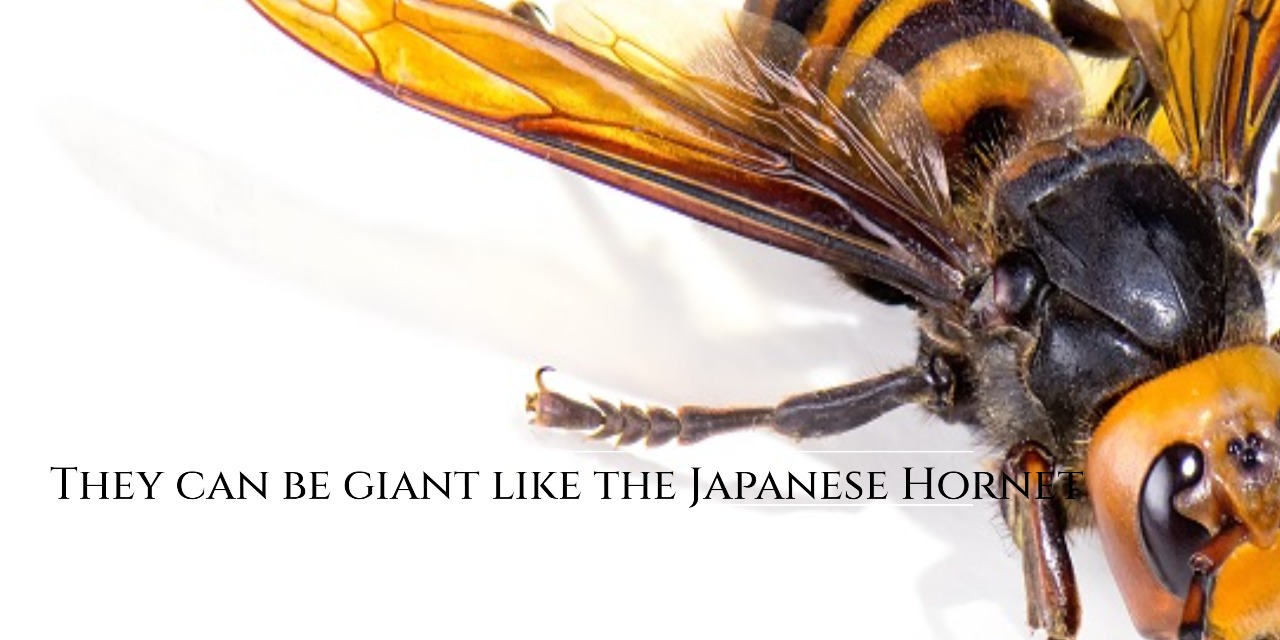
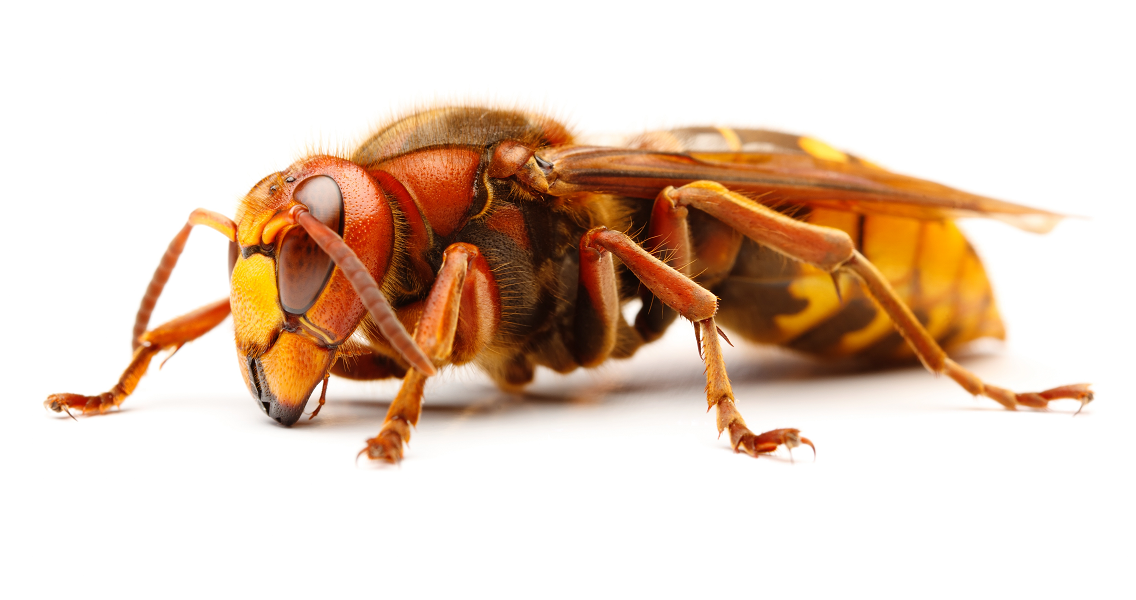
like the Japanese Hornet


from the power of their sting
What are Wasps?
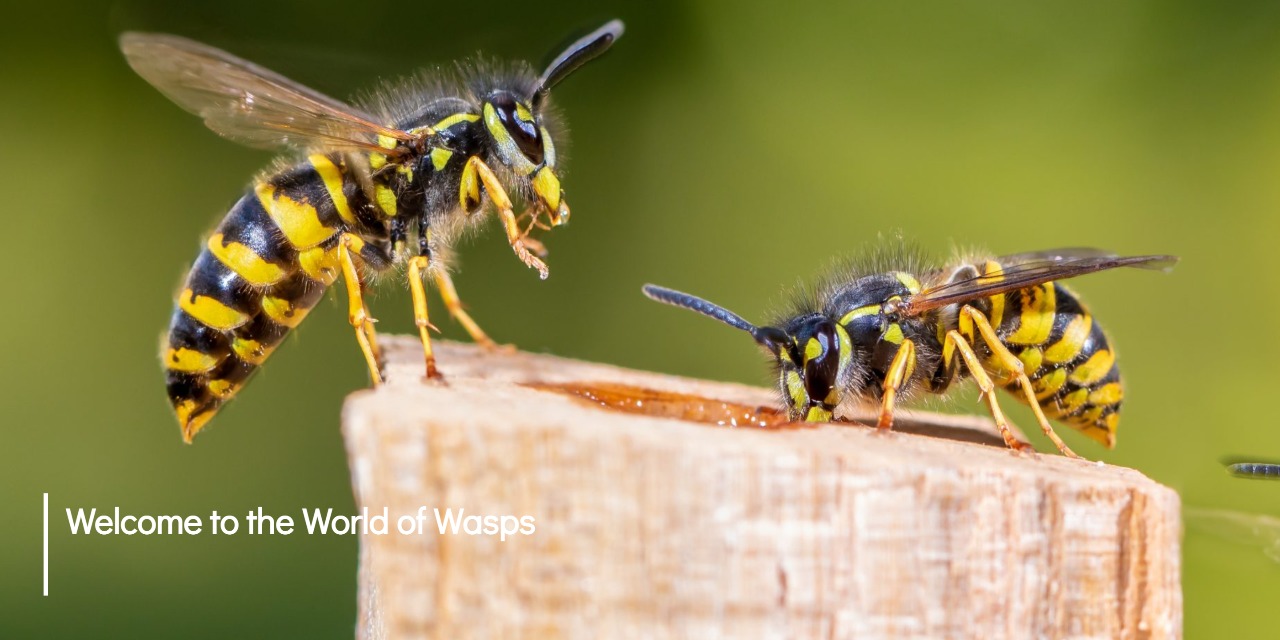
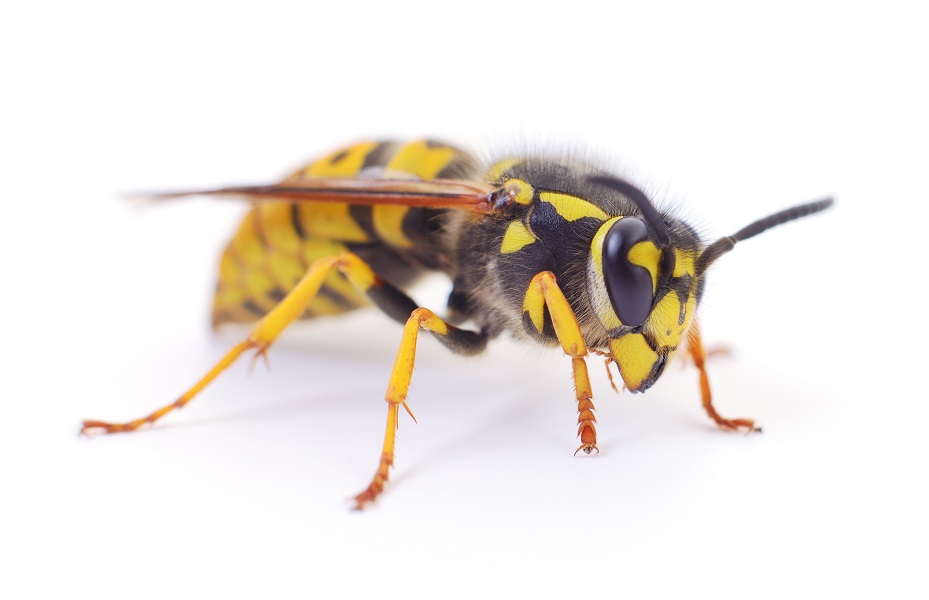
Wasps are in the same family as saw flies, bees, bumble bees, parasitic wasps, paper wasps, mud wasps, social wasps, and ants.
Together, they are the third largest group of insects – after beetles and butterflies.
The wasp family is known as HYMENOPTERA
This is made from two Greek words: hymen-o-ptera, which means married wings – two on each side, connected by a series of hooks, called hamuli or sometimes called the frenulum.
They have a very narrow waist between their thorax and their abdomen.
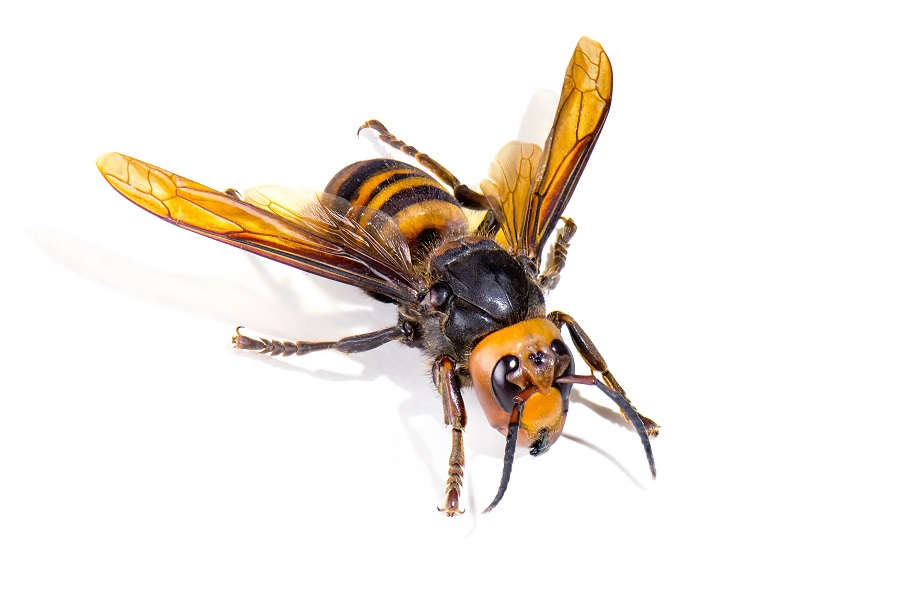
The largest wasp in the world is the giant Japanese Hornet
As well as being incredibly painful, the venom from the Japanese hornet is so potent that with just a few stings it has been known to kill humans.
These hornets are literally bee hive killers, as most domestic honey bees make easy targets for them to pick off one by one.
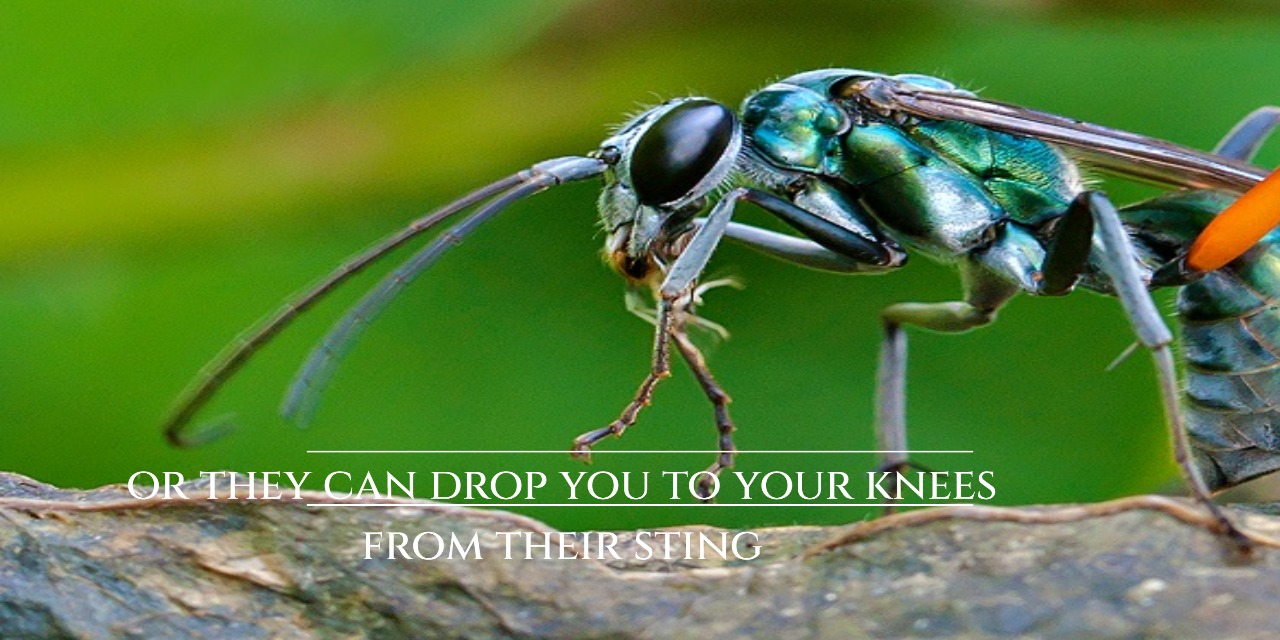
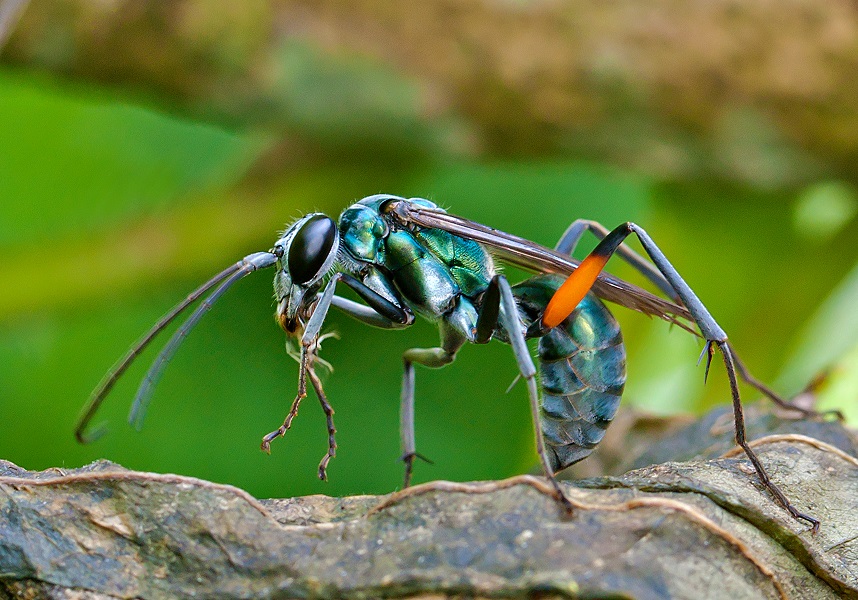
The second most painful insect sting in the world belongs to the tarantula hawk wasp.
If you are stung by this gigantic wasp, it can drop you to your knees in what is described as “instant electrifying pain” – Justin Smidtt.
It needs a potent sting as well. Its chosen food source for its offspring are as its name suggests, tarantulas.
Their battles are swift and full of danger, but most of the time she will win, sting the tarantula, and lay an egg on it that will hatch into a grub and eat the tarantula alive!
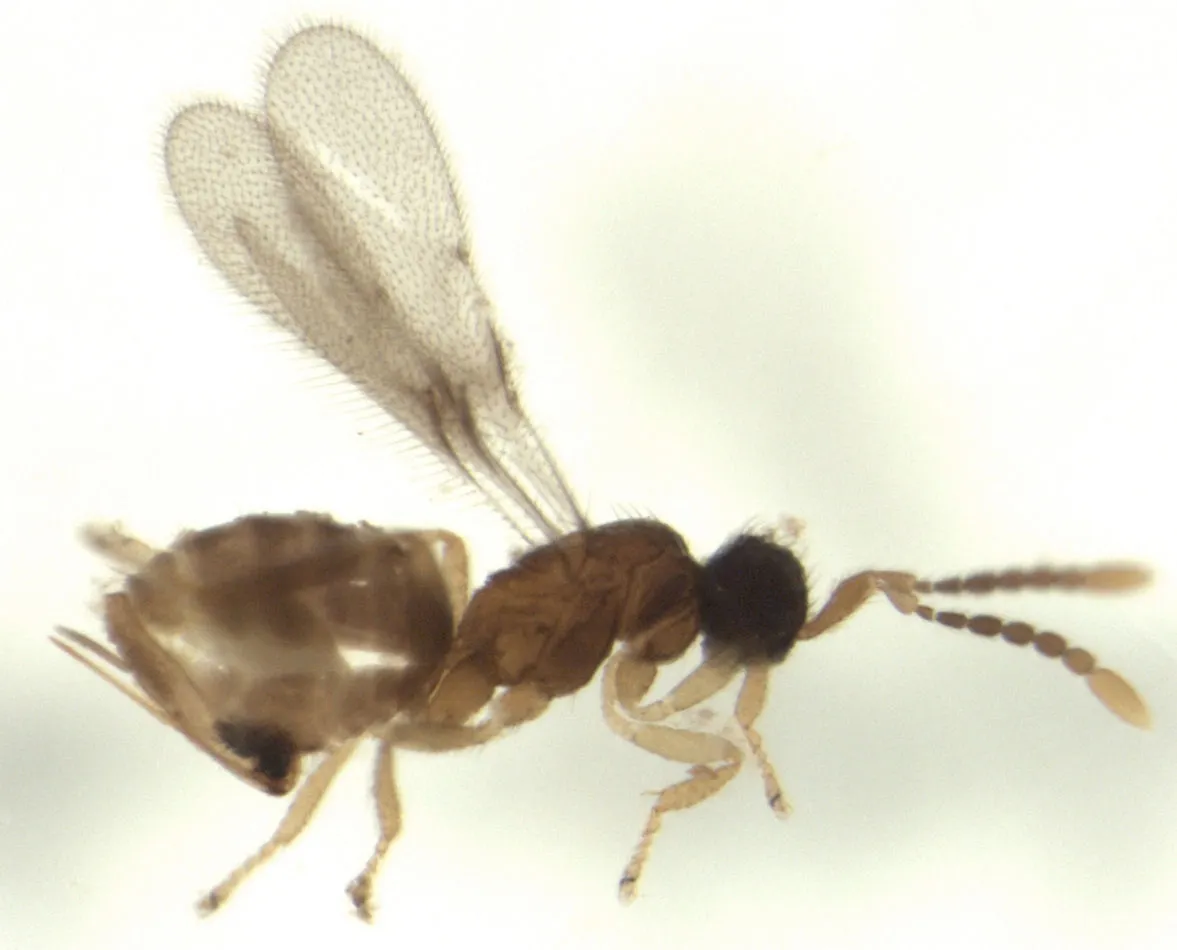
They can be microscopic, like the fairy flies.
The smallest insect in the world is the fairy fly – which is actually a wasp.
They are so small that they live by parasitising eggs of other small insects.
Their lives as adults are incredibly short, sometimes only a day.
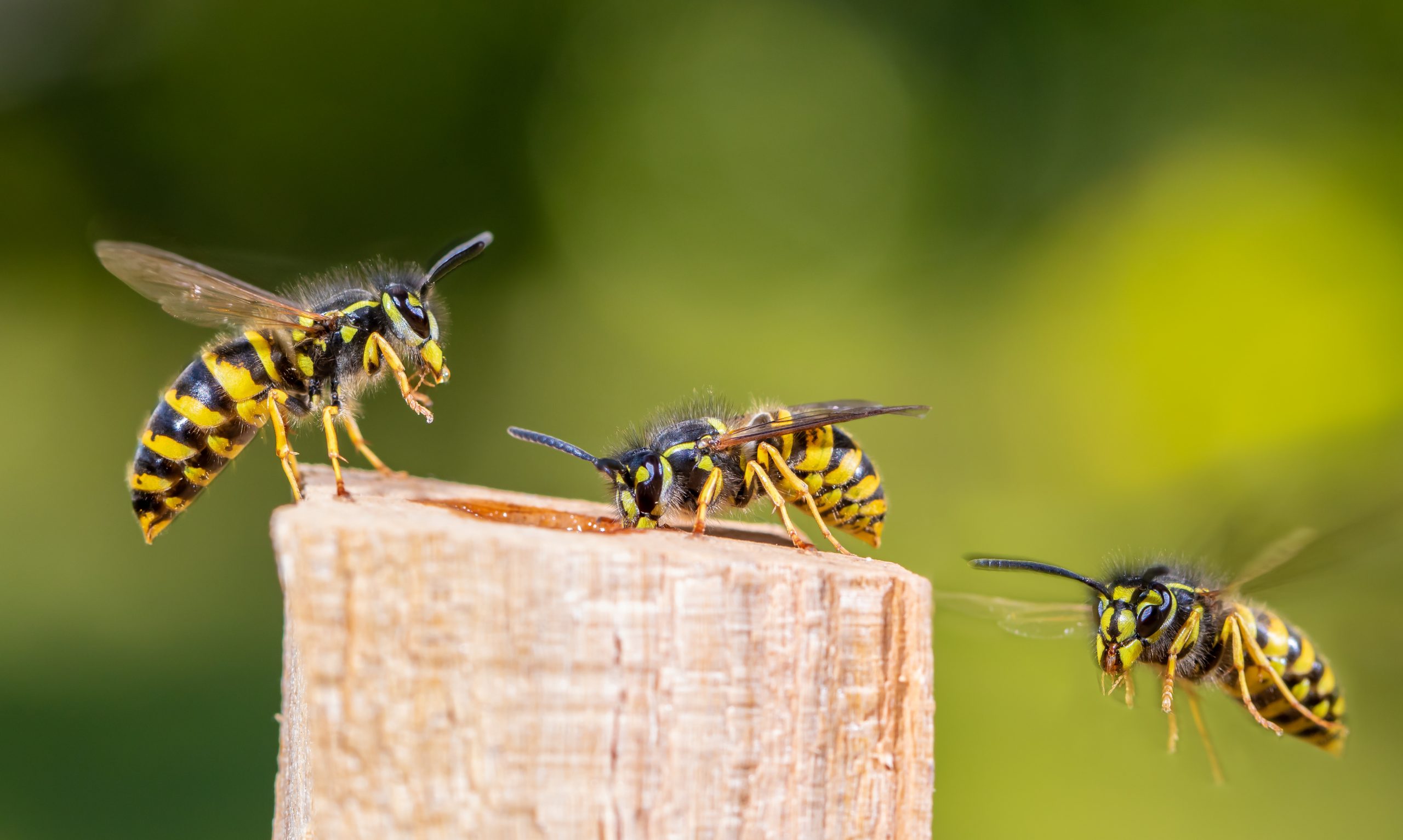
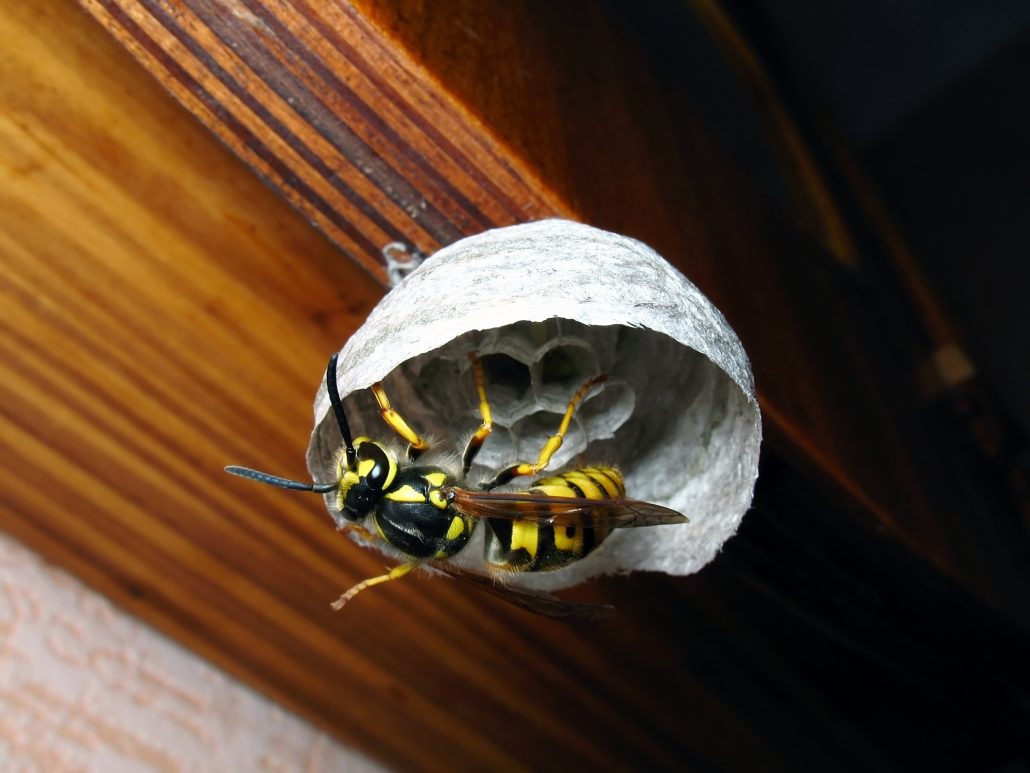
Many wasps are social and live in colonies, or nests made out of paper.
Wasp nests start out as a tiny egg cup sized umbrella with three or four cells, inside of which the first grubs are hatched and fed. Once they are mature, they fly off and forage and take over the building of the nest and the queen focusses on egg laying.
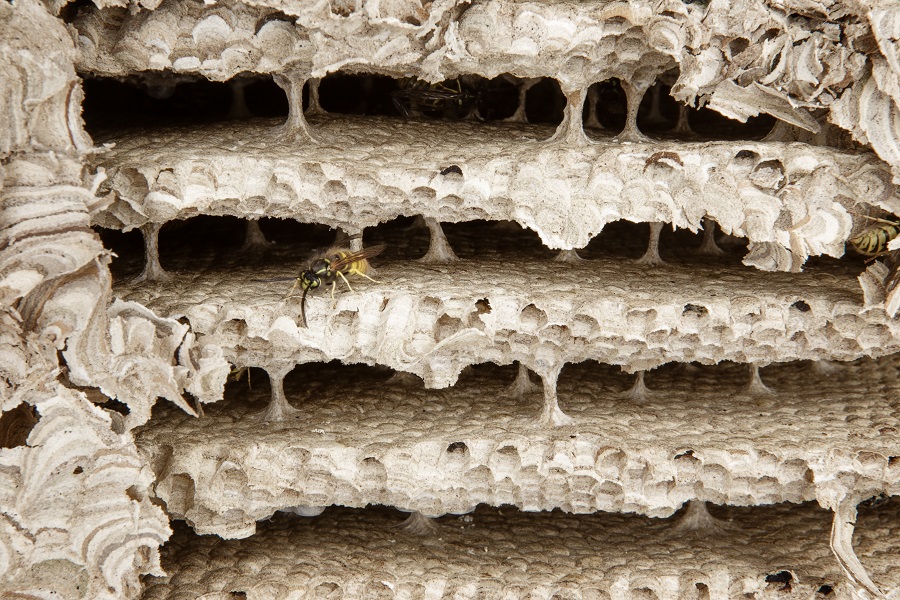
Large nests can contain many layers of delicate hexagonal paper cells and up to ten thousand wasps. In America and other warmer countries, the nests keep going and can have multiple queens and even hundreds of thousands of workers. These nests are very dangerous.
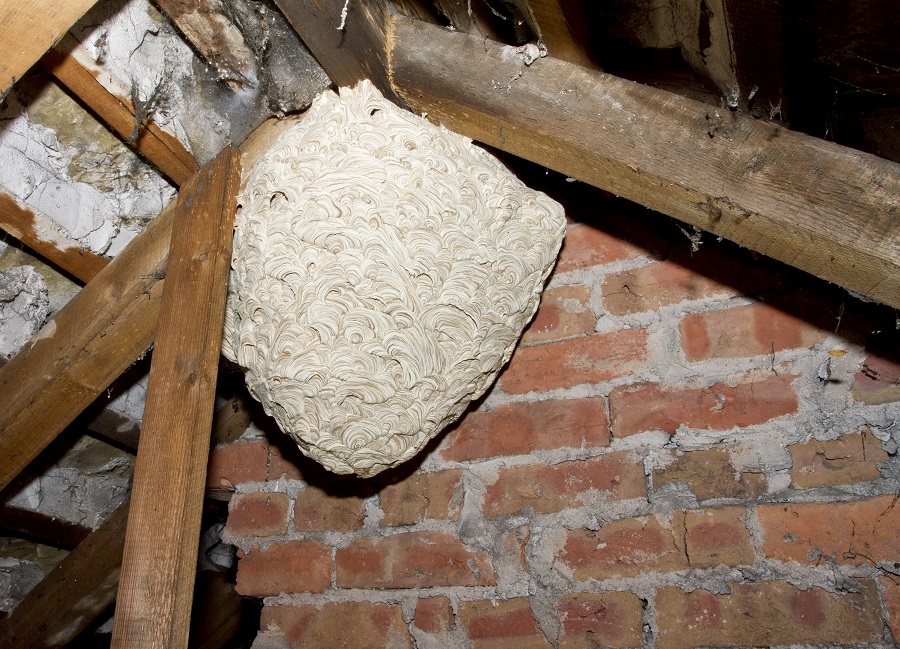
Wasps nest in a variety of places. It all depends upon where the emerging queen wasp choses to build. Sometimes they are in a loft, where they can grow to quite a size, sometimes they are built underground.
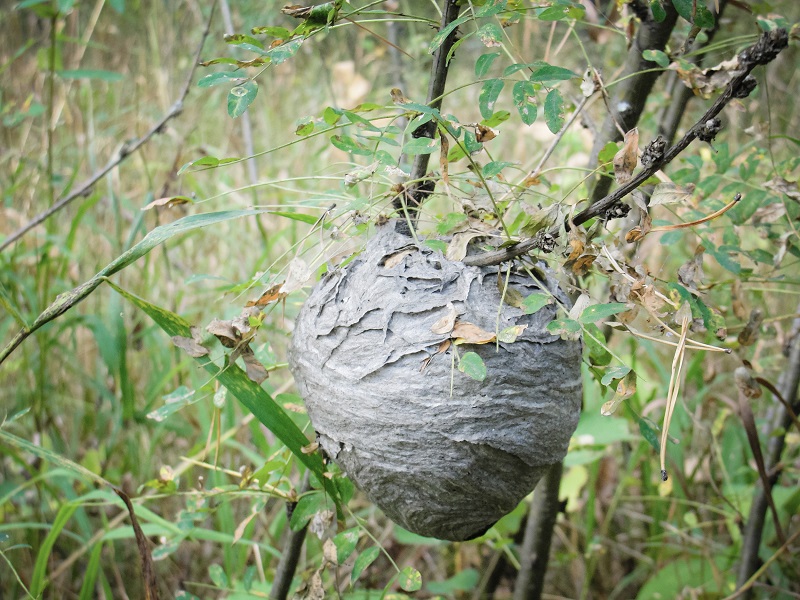
Asian hornet nests are always made in bushes. If you see them, you must contact your local authority who will arrange for them to be professionally removed – do not attempt to do this yourself.
Don’t confuse this nest with our scarce native tree wasp which nests a lot higher up and builds a smaller nest.
The largest of the native UK species of wasp is the European hornet, Vespa crabro, with lengths up to 2.4 cm.
Although the sting can be painful, these are generally gentle giants, preferring to go about their business of hunting for food to feed their brood and drinking sweet fruit and plant juices and nectar from easy to get to flowers.
Unlike their smaller wasp cousins, they are not likely to attack you, unless of course you disturb their nesting sites.
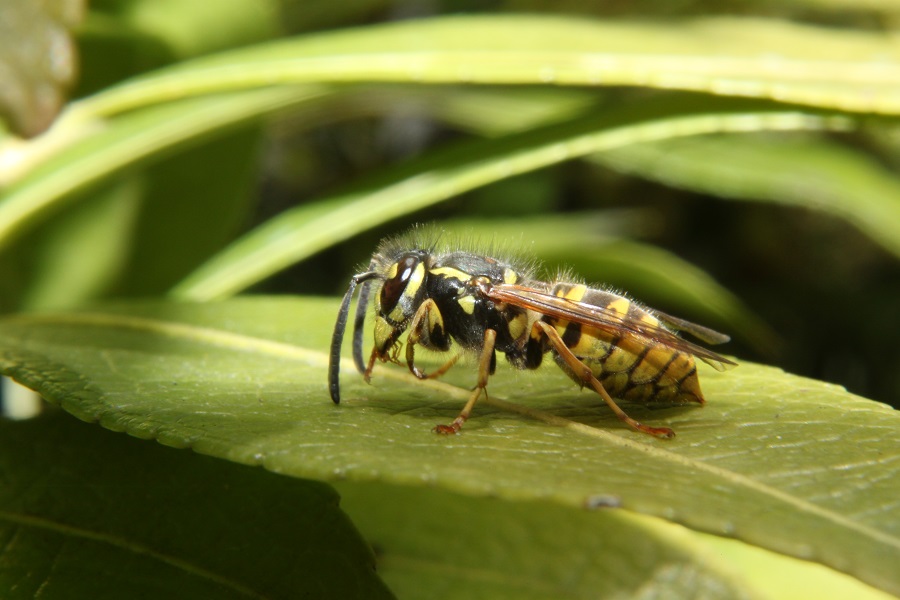
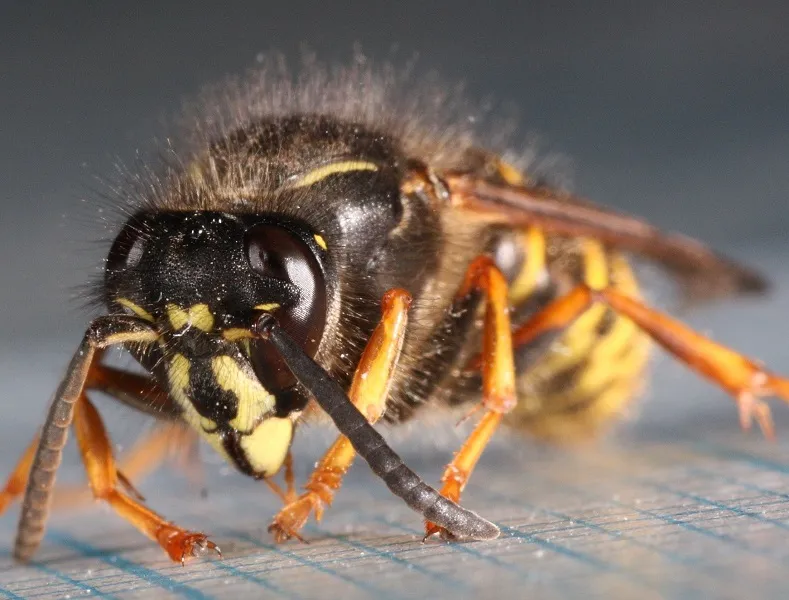
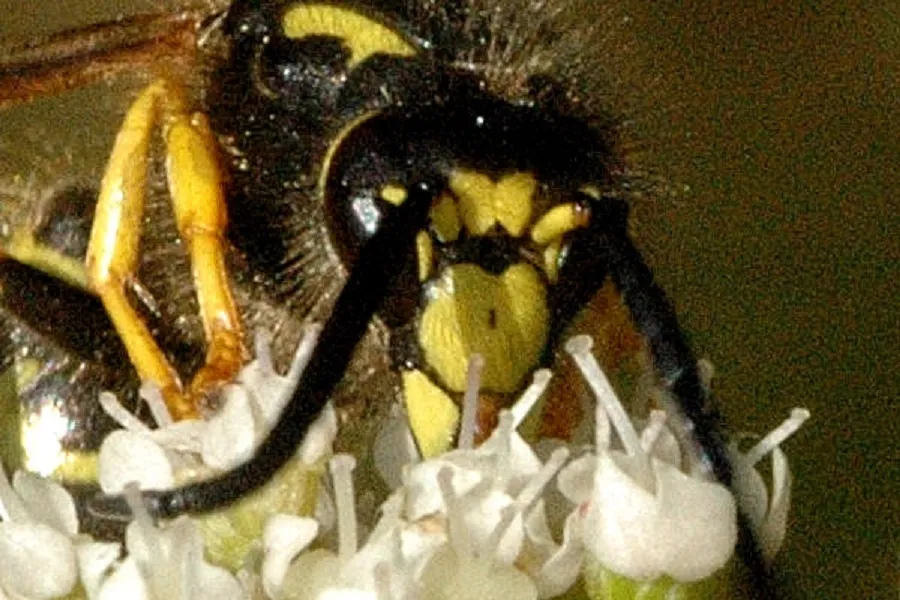
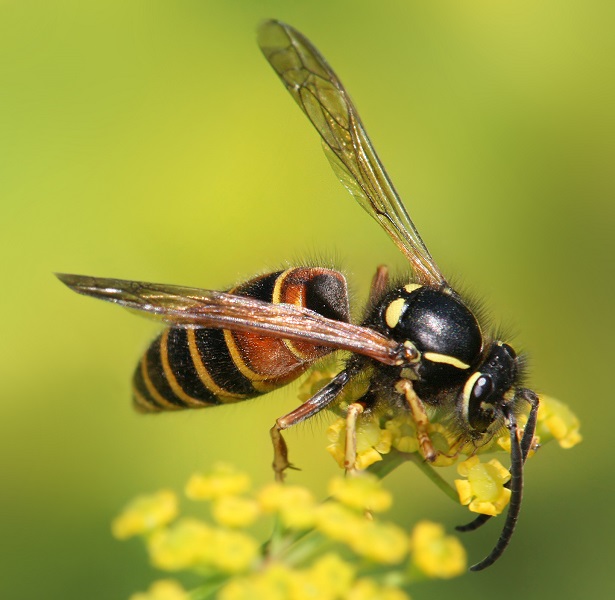
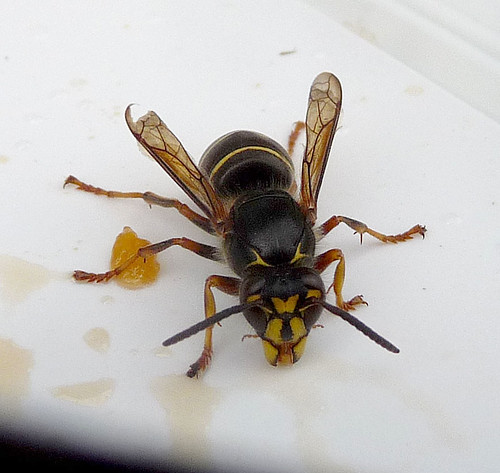
In the UK, there are approximately 9000 species of wasp (saw fly, parasitic, solitary and social) with the commonest social species being Vespula vulgaris (common wasp) and Vespula germanica (German wasp).
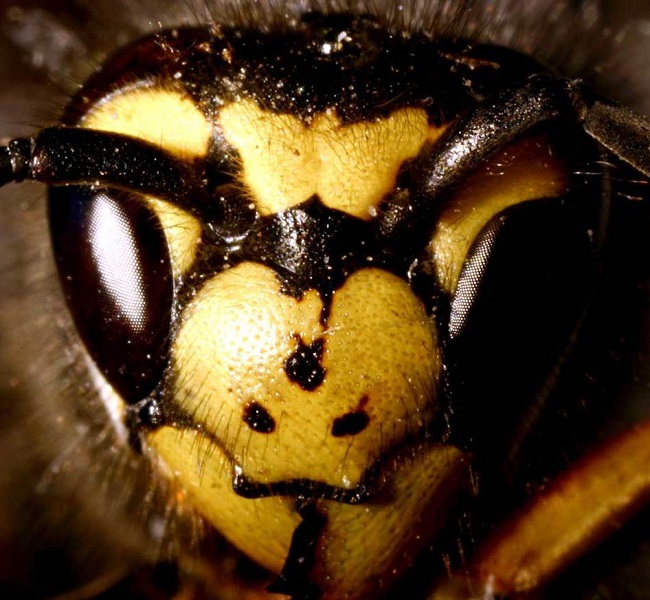
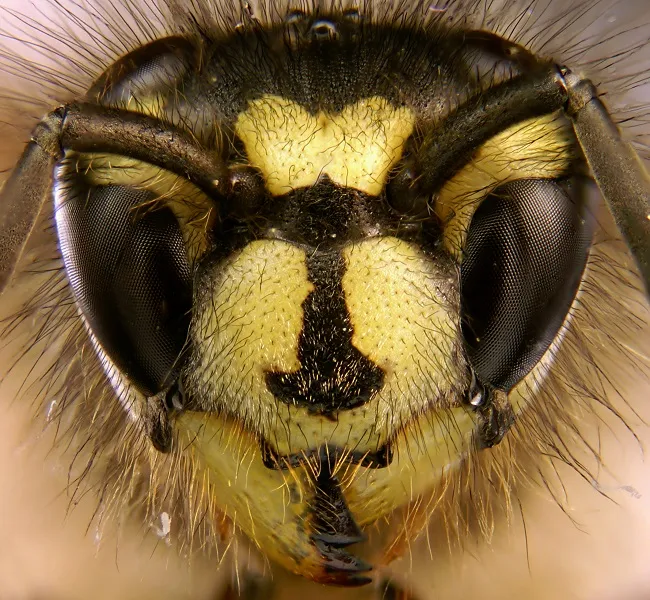
We do have a few more wasps that live in big colonies (eusocial wasps) in the form of Vespula rufa – the red wasp, Dolichovespula media – the Norwegian wasp, Dolichovespula saxonica – the saxon wasp, and Dolichovespula sylvestris – the tree wasp. Each of these are distinguishable from one another by examining their malar spaces, and colouration and patterning of the abdomen. Telling the difference between V. germanica and the common wasp is easy with markings, as well as the smaller V. vulgaris.
German Wasp
Vespula germanica
Common Wasp
Vespula vulgaris
Tree Wasp
Dolichovespula silvestris
Red Wasp
Vespula rufa
Norwegian Wasp
Dolichovespula media
Saxon Wasp
Dolichovespula saxonica
More detailed articles and species specific care articles coming soon as part of the forthcoming Silver Membership Level
Life Cycles
/0 Comments/in Minibeasts/by Nick
Life Cycles
Everything has a lifecycle: plants, animals, insects and spiders.
In the minibeast world we call this metamorphosis.
There are two common kinds of metamorphosis: complete and incomplete and a third less common one called hypermetamorphosis.
Complete Metamorphosis.
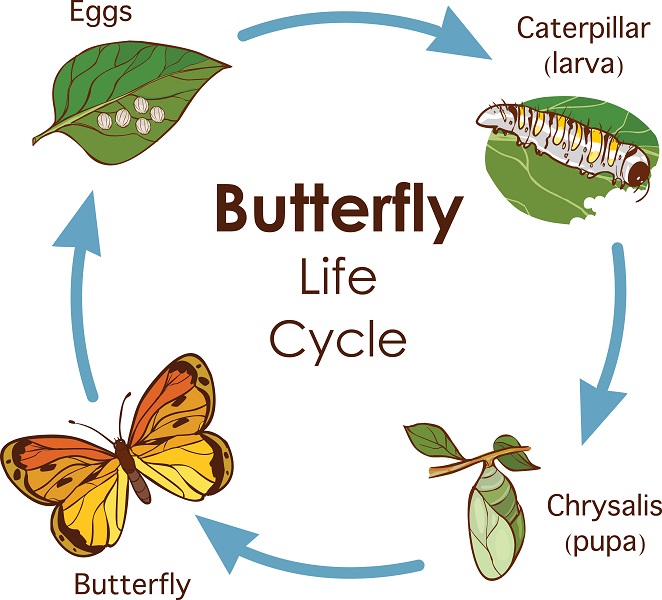
Butterflies have a complete metamorphosis.
It includes, egg, larva, pupa and adult (imago if you want to be really sciency).
The butterfly chooses the right plant for her caterpillar to eat and lays her eggs on it.
The eggs hatch into the baby caterpillar.
The caterpillars eat the leaves and grow, shedding their skins five times before becoming a pupa. Inside their skins they grow until the skin cannot stretch any more, they then form a new skin under the old one. When that is ready they moult to be able to grow into the new skin. After the forth moult, the pupa begins to form under the last of the caterpillar’s skins, and the fifth moult is from caterpillar to pupa.
Inside the pupa, or chrysalis as it is also known, the tissues of the caterpillar’s insides break down and rebuild into the new body of the adult butterfly, or moth, as moths share the same process too. Depending on species, pupation can take as little as two weeks, or eight months in the case of the orange tip butterfly as this is their overwintering stage, even up to two years in the case of small eggar moths.
Incomplete Metamorphosis.
Many minibeasts have an incomplete metamorphosis.
An incomplete metamorphosis does not include a pupation stage and the young look like smaller versions of the adult, until at last they become adult themselves as they grow.
This is because of a special hormone in the young bodies, which gets smaller in concentration as they grow called juvenile hormone.
The lower it gets, the more they look like the adult.
Just like caterpillars, insects without a complete metamorphosis grow by shedding their skins.
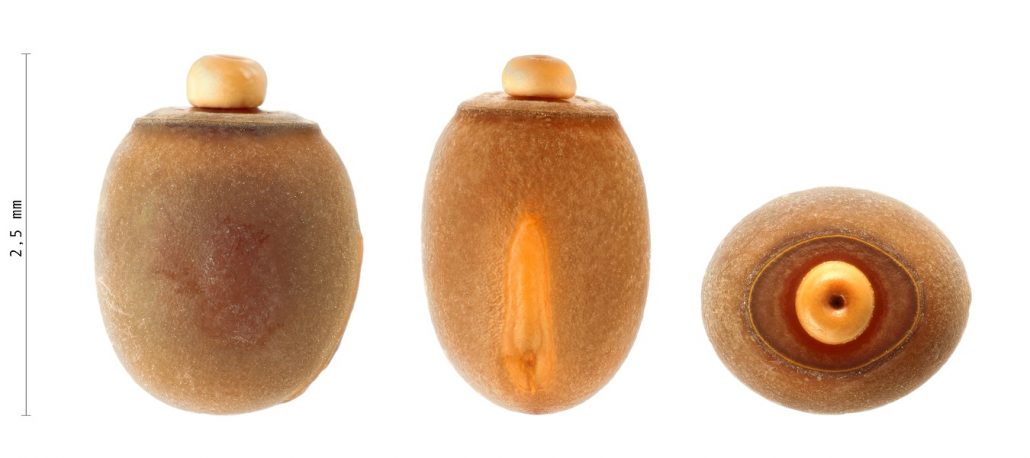
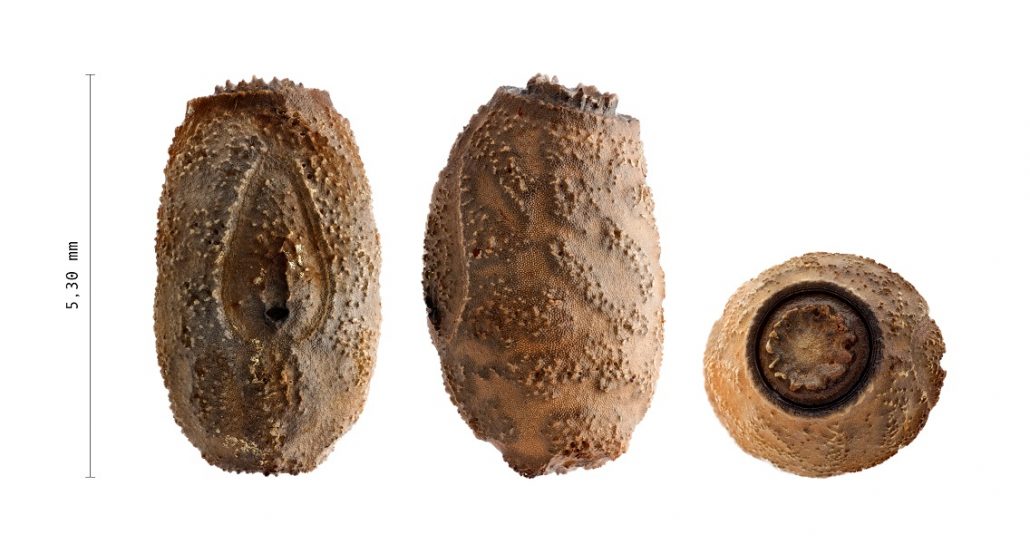
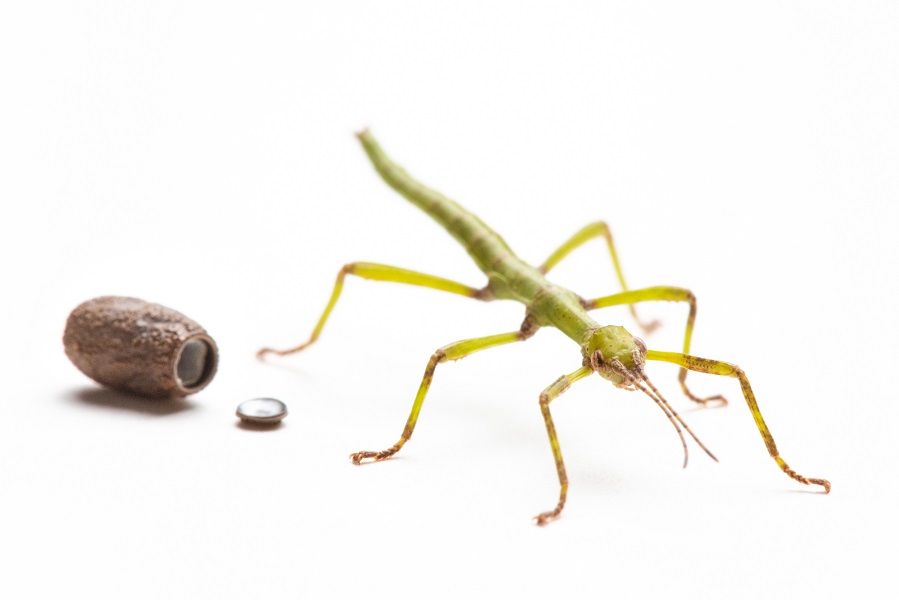
Close up of a Diapherodes gigantea egg.
This Diapherodes gigantea (giant bean stick insect) nymph (right) has just emerged from its egg (left).
The baby stick insect will moult several times until it becomes an adult stick insect.
There is no pupation stage in the incomplete metamorphosis.
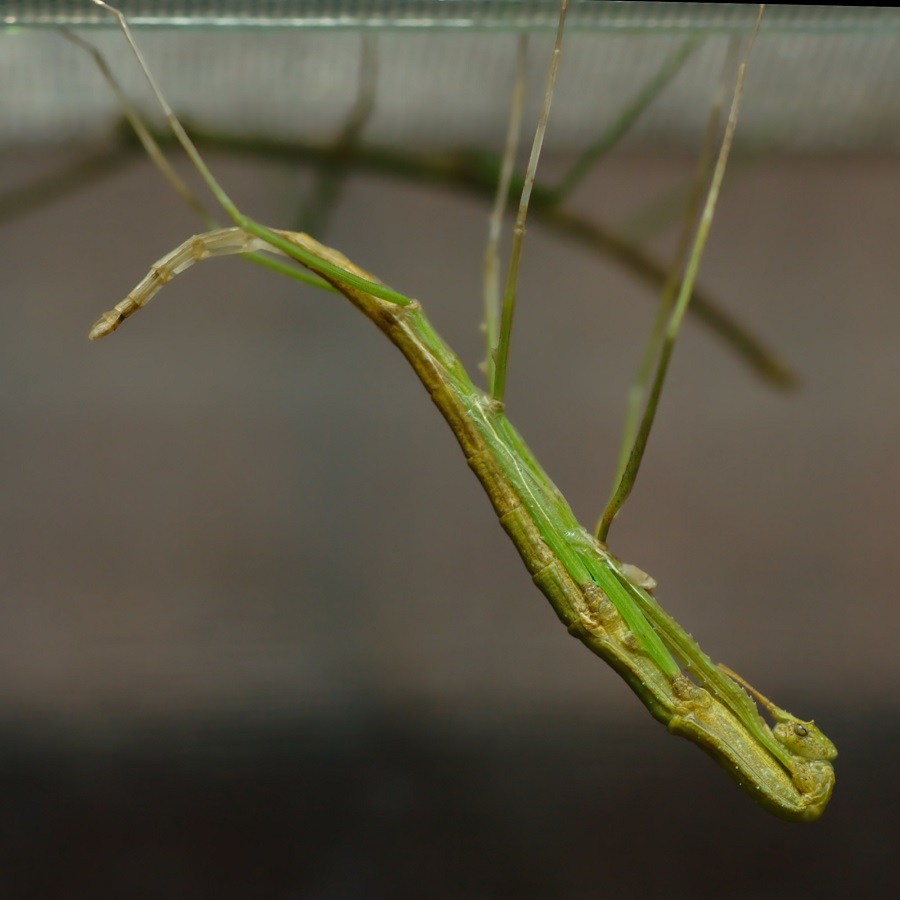
The skin shedding process, known as moulting, or more scientifically ecdysis, is very dangerous, and needs the insect to have a soft body which makes it very vulnerable to attack by predators. You can see the new body emerge as the insect wriggles its way out of the old skin (exo-skeleton).
More detailed articles and species specific care articles coming soon as part of the forthcoming Silver Membership Level
Events
There are no upcoming events at this time.Follow us on Facebook
Recent Posts
- Carausius Morosus – the Indian Stick Insect September 27, 2024
- Mexican Red Knee Tarantula September 28, 2023
- An Introduction to Insects November 14, 2022
- Introduction to Stick Insects November 14, 2022
- Wasps November 14, 2022